

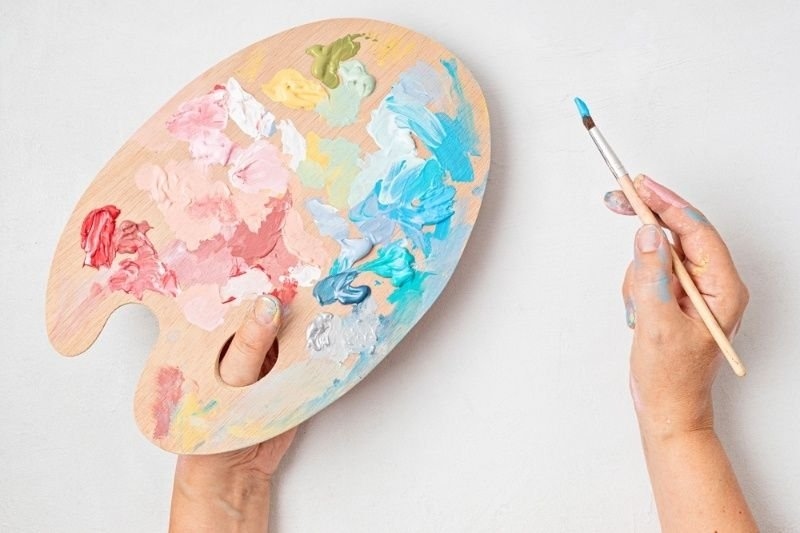
Emotions don’t always arrive in clean words. Sometimes they feel heavy, messy, or sharp—or just confusing. That’s where creative expression can help. Art gives feelings somewhere to go before they become sentences. A sketch, rough color patch, torn paper collage, or even clay pressed by hand can hold stress in a way words sometimes cannot.
For many people, art therapy creates space to slow down and notice what is happening inside. It helps with stress, emotional overload, anxiety, grief, plus low mood. You do not need talent. Not even close. You only need openness. In this blog, we’ll discuss the benefits of art therapy, how it works, its role in mental health care, plus how it supports emotional wellness and balance.
Art therapy is not merely a creative outlet; it is also intended to assist you in processing your feelings, relieving stress, and experiencing emotional balance in a nurturing and supportive environment.
People often use art therapy to help with:
Creative work creates distance from pain. Sometimes just enough distance to finally look at it.
Also Read: Wall Art Guide for Living Rooms, Dining & Outdoor Spaces
Many people ask, What is art therapy and how does it work? The answer is simple, though the impact can be deep. You get both creative expression and guidance from a trained therapist. Sessions usually last about 45 minutes to an hour.
The process often works in three stages.
First, you create something. It could be abstract or clear. Doesn’t matter. Some people draw stress as sharp lines. Others use colors to represent emotions. There is no right outcome. That freedom helps lower pressure.
The work only needs to feel honest.
After creating, you observe what came out. Colors, shapes, repeated marks, empty spaces—all of it can reveal emotional patterns. Often, people notice feelings they couldn’t explain before.
Sometimes the artwork says more than speech.
The evidence-based benefits of art therapy show up in many settings—schools, hospitals, counseling centers, and rehab programs. Research keeps pointing to similar outcomes.
One reason art therapy works is externalization. A fear, memory, or painful thought no longer stays stuck inside your mind. It becomes visible on paper or in clay. That makes it easier to observe from a safer distance.
The emotion feels more manageable. Less overwhelming, too.
Many people struggle because they feel something intense but can’t name it. Art slows things down. It gives emotions shape. Once feelings become clearer, responding gets easier.
Awareness comes first. Balance usually follows.
Art therapy for anxiety and depression can be especially useful because both conditions affect how people think, feel, and communicate.
A person with anxiety might draw where fear sits in the body. Chest, throat, stomach. Then add shapes or colors showing calm, space, or relief. This helps make invisible stress visible. That alone can reduce intensity.
Creative work also slows racing thoughts. Repetitive drawing, shading, or clay work can calm the nervous system.
Depression often shrinks energy and hope. Art therapy can gently rebuild engagement. Small tasks matter here. Very small.
Someone might create a collage of daily anchors:
Tiny things. Still important.
Don't Miss: Figurative Art Explained Through History and Modern Trends
To understand how art therapy is used in mental health care, it helps to look at where it happens. Art therapy appears in many clinical settings.
Art therapy can also help patients work through grief, anxiety, depression, stress, and other challenges associated with recovering from illness, injury, or disability (and, in hospital or rehabilitation centers, from trauma, fear, or pain).
Working with a therapist or counselor in therapy or outpatient programs, you typically use art to help you heal in an ongoing manner. It gives people a way to process what’s happening without having to talk about everything right away.
The needs of children and adults are very different. So therapy should reflect that. That’s why understanding art therapy for children vs. adults matters.
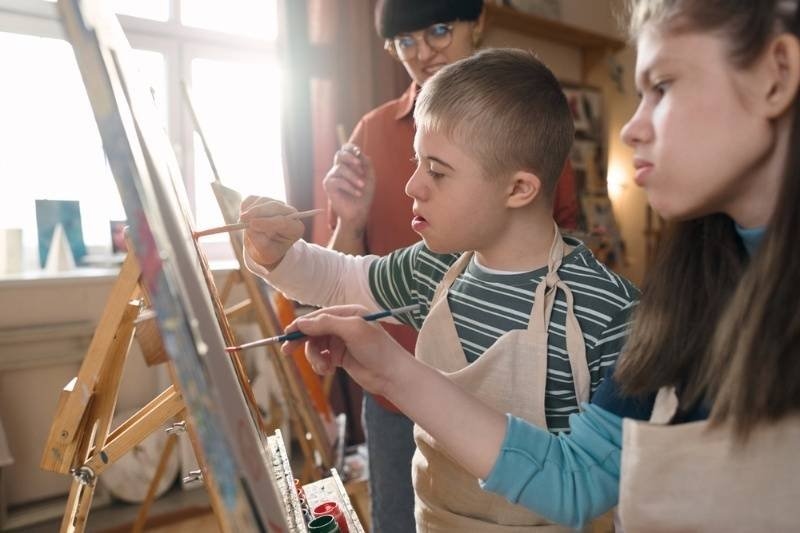
Children often struggle to explain complicated emotions with words. More specifically, art therapy will help you express your feelings verbally (through drawings), through color, through movement, and through play. This is especially helpful for kids, since art can be a safer way for them to show fear, anger, sadness, or confusion.
This is especially useful after:
Children often show emotions before they speak them.
Adults may have more verbal awareness but often carry stronger self-judgment. A lot of adults say the same thing—I’m bad at art. That belief becomes a barrier. But skill is irrelevant here. Art therapy helps adults slow down, release pressure, and understand emotional patterns more clearly.
Sometimes words are too polished. Art cuts through that.
Read More: Top Micro Art Techniques & Methods to Enhance Your Skillset
The benefits of art therapy are strongest when creativity is treated as a meaningful mental health tool—not just a hobby. It helps people slow down, process emotions, lower stress, and build healthier emotional balance. Some emotions feel too tangled for words at first. Art creates another entry point.
Healing does not always begin with talking. Sometimes it starts with color, shape, texture, or movement. Small things. Real things. If you’re considering art therapy, focus less on talent and more on curiosity.
You don’t need to know how to draw. Artistic skill doesn’t matter. What matters is the expression, the meaning, and the emotions behind what you make. Even a simple sketch or a lump of clay can reveal a lot in therapy.
Some folks feel lighter or calmer after just one session. For others, bigger changes kick in after about four to twelve sessions. It depends on your goals, how regularly you come, and what you’re dealing with.
Sometimes, for certain issues, it’s enough on its own. Although art therapy alone is beneficial, it is often most successful when combined with other forms of therapy, i.e., traditional talk therapy, medication, etc. What works best depends on the individual.
In your first therapy appointment, your therapist usually will ask you questions about what you expect from therapy, the emotional state you are currently experiencing, and what your comfort level is with various art modalities. Then you’ll probably start with a simple creative activity as the therapist walks you through what to expect.
This content was created by AI