

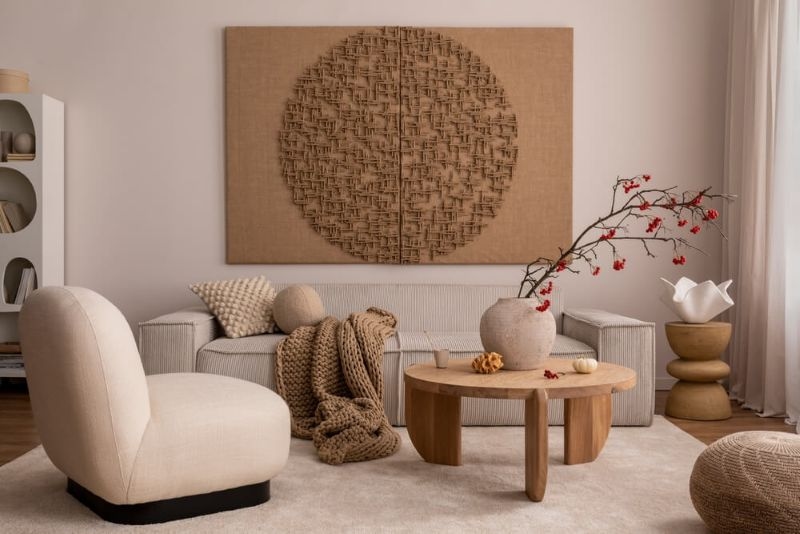
Wall art is not an afterthought. It is one of the few design elements that directly affects how a space feels the moment someone walks in. The right wall art adds balance, creates focus, and pulls the entire room together. The wrong choice makes even a well-furnished space feel unfinished.
This guide breaks down how wall art works in real homes. It covers wall art for living room spaces, dining room wall art, outdoor wall art, wooden wall art, and wall art for exterior areas. No filler. Just clear guidance you can actually use.
Wall art decor serves three practical purposes.
First, it gives the eye a place to land. Large walls without art feel empty, even when the furniture is expensive.
Second, it reinforces scale. Art helps balance the size of furniture, ceilings, and open walls so nothing feels out of proportion.
Third, it sets the mood. Color, texture, and subject matter all influence how a room feels, whether calm, social, warm, or dramatic.
Good wall art is intentional. It is chosen based on the room, not bought because it looks nice on its own.
You may also like: Top Geometric Patterns for Stunning Geometrical Wall Design
The living room is where wall art matters most. It is usually the largest shared space, which means the walls carry more visual weight.
When choosing wall art for living room walls, scale comes first. Art should visually relate to the sofa or main seating area. A general rule is that the artwork should span around two thirds of the width of the furniture below it.
Popular wall art for living room setups includes:
Color matters here. Living room wall art should connect to existing elements like cushions, rugs, or accent chairs. It does not need to match exactly, but it should feel related.
Avoid placing art too high. The center of the piece should sit close to eye level when standing.
Dining room wall art sets the tone for meals and conversations. Unlike living rooms, dining spaces benefit from art that feels composed rather than dominant.
Dining room wall art works best when it is:
Still life artwork, muted abstracts, and textured prints are common choices. For modern dining rooms, a single oversized piece often works better than multiple small frames.
Dining room wall art should support the space, not distract from it. If the room already has bold lighting or statement furniture, simpler art usually works best.
Wooden wall art has stayed popular because it adds texture without overwhelming a room. It brings warmth in spaces that feel flat or overly modern.
Wooden wall art works especially well in:
Carved panels, layered wood designs, and reclaimed wood pieces all fall under wooden wall art. The finish matters. Matte or lightly stained wood feels more timeless than glossy finishes.
Wooden wall art also pairs well with metal, canvas, or fabric elements, making it easy to integrate into existing wall art decor.
Also check: Top AI Art Generator & Useful Tips to Get Better Results
Outdoor wall art is about durability first, design second. Exterior conditions are unforgiving, so materials matter.
Common outdoor wall art materials include:
Outdoor wall art works well on patios, garden walls, balconies, and courtyards. It helps outdoor spaces feel finished rather than purely functional.
Placement is important. Outdoor wall art should be visible from seating areas and protected from direct water exposure when possible.
Wall art for exterior spaces goes beyond decoration. It becomes part of the architecture.
Exterior wall art is often used to:
Wall art for exterior applications must be properly mounted and sealed. Metal sculptures, murals, and large-scale wooden installations are common choices.
When done right, wall art for exterior walls creates a smooth transition between indoor and outdoor design.
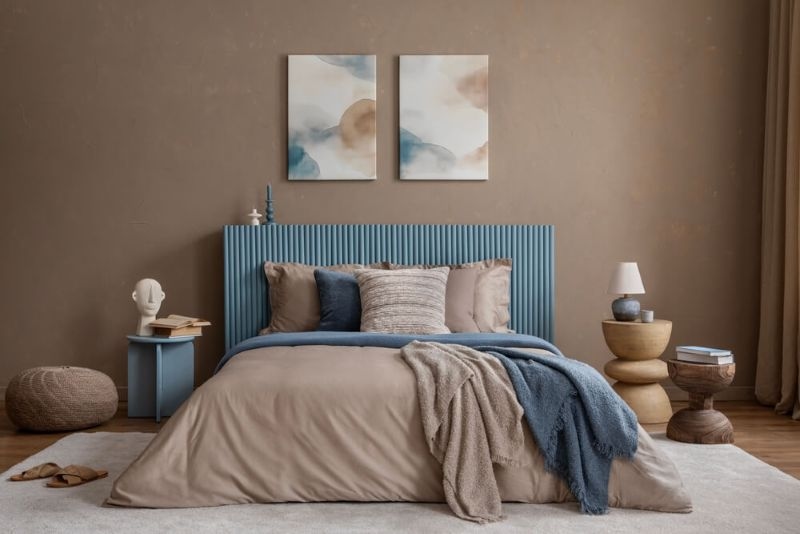
Wall art decor includes more than framed prints. It covers anything intentionally placed on a wall to enhance the space.
Examples of wall art decor include:
The key to good wall art decor is restraint. Mixing too many styles or sizes creates visual noise. A clear theme or material connection keeps the wall cohesive.
Wall art decor should feel like part of the room, not something added at the end.
When people struggle with wall art, it is usually because they are choosing pieces in isolation.
Use these practical checks before buying:
Wall art does not need to explain itself. If it feels balanced and intentional, it is usually the right choice.
Discover More: The Role of Art Galleries in Shaping Culture and Creativity
Some wall art trends fade quickly. Others stick because they solve real design problems.
Current trends that continue to work include:
These trends work because they focus on scale, texture, and placement, not novelty.
Wall art shapes how a space is experienced. From wall art for living room layouts to dining room wall art, wooden wall art, outdoor wall art, and wall art for exterior walls, the goal is always the same. Make the space feel complete.
Good wall art decor does not shout. It supports the room, adds clarity, and gives structure to empty walls. When chosen with intention, wall art stops being decoration and starts being part of the design.
There is no fixed number. Focus on balance. One large piece or a structured grouping usually works better than filling every wall.
Yes. Wooden wall art adds warmth and contrast to modern spaces, especially when paired with clean lines and neutral colors.
Yes, but only if it is designed for outdoor use. Wall art for exterior walls must be weather-resistant and securely mounted.
This content was created by AI