

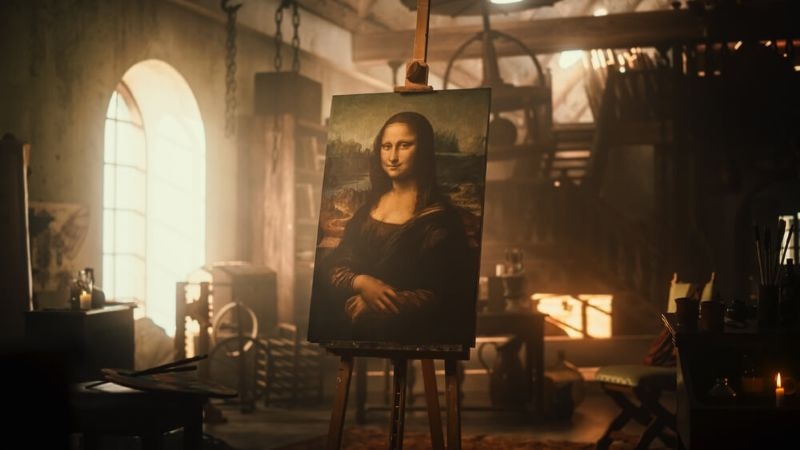
Figurative art just hits different. No matter how much the art world shifts and experiments, this style keeps hanging on. It started way back with cave drawings and still shows up in galleries today. There’s something about seeing real people, animals, or everyday scenes—stuff you actually recognize—that keeps us coming back.
So what’s the deal with this art? Where did it start, and why do we still care? Let’s break it down. and call out a few legendary pieces, and talk about the artists who shaped it.
Basically, figurative art is about showing things you can put a name to. It could be anything—a person, a dog, a crowded street, or just someone slouched in a chair. The point is, you see it and know right away what it is. That’s the big difference from abstract art, which can be all about guessing and interpretation.
People often ask for examples. Think of a painting that shows a person in mid-conversation, or a statue of a runner, or a sketch of people in a market. They all count. Some figurative art aims for realism, while others play with style, but both stay connected to reality.
Read the Full Guide: Wall Art Guide for Living Rooms, Dining & Outdoor Spaces
So, what does “figurative” mean in painting? Basically, it means the painter is showing real figures or objects. Sometimes it’s all about the human body, other times it’s about faces, or even how people interact with each other.
But here’s the thing: figurative painting doesn’t have to be photo-perfect. Some artists paint with wild brushstrokes, use oddball colors, or twist the shapes a bit—but you can still tell what you’re looking at. That mix of reality and imagination is part of the magic.
Over the centuries, artists have used figurative painting to capture everything from dramatic myths to quiet daily moments. And now, plenty of contemporary artists still use it to explore identity, feelings, or what’s happening in the world today.
Figurative art has roots that stretch way back. Early humans didn’t just doodle on cave walls—they carved out animals and people, simple shapes loaded with meaning.
Jump ahead to ancient Egypt and Greece, and you see a big leap in skill. Egyptian artists loved balance and order. Greeks, on the other hand, chased after perfection—ideal bodies, perfect beauty. Their statues and murals set a standard that artists chased for centuries.
Then came the Renaissance, and this art just took off. Artists nailed anatomy, figured out how light worked, and learned about perspective. Suddenly, paintings and sculptures almost breathed. This era set the stage for the Baroque, Romantic, and Realist movements—each one with its own take on the figurative tradition.
Here are a few you just can’t skip:
You see this one everywhere, and there’s a reason. Leonardo nailed a lifelike look and gave her an air of mystery that people still can’t stop talking about.
Up on the Sistine Chapel ceiling, Michelangelo pulled out all the stops—those powerful bodies, the epic story, the pure drama of it all.
Velázquez didn’t just paint a portrait. He played with perspective and tossed you right into the scene, almost like you’re part of the action.
It’s quiet, simple, but hits you with emotion. Vermeer’s painting feels personal, like you just caught her glance for a split second.
Rembrandt poured energy and movement into this group portrait. With his use of light and shadow, the whole thing crackles with life.
Figurative art keeps things real—sometimes literally, sometimes just enough to spark your imagination. That’s why people keep coming back to it, and why it still feels fresh, century after century.
Read More: Why Bold Colors & Pop Art Trends Are Popular Again?
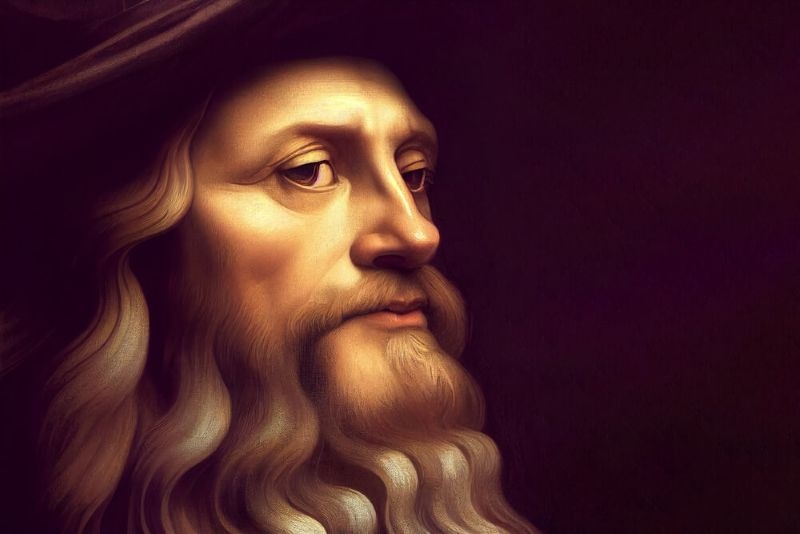
People love to argue about who tops the list of figurative painters. Truth is, it depends on when and where you’re looking—and, honestly, what you like. Still, Leonardo da Vinci almost always pops up first. He didn’t just make great art; he mixed science with creativity and changed the game for everyone who came after.
Then there’s Michelangelo. The guy is obsessed with the human body, and it shows. His paintings and sculptures pack in so much detail and emotion that you can’t help but feel something when you look at them. Jump ahead a few centuries, and you get Pablo Picasso. He’s mostly known for abstraction, but he kept coming back to the figure, reshaping it over and over throughout his career.
Now, if you’re into more recent names, Lucian Freud and Jenny Saville come to mind. They don’t sugarcoat anything—their portraits are raw and honest, sometimes even uncomfortable, but that’s exactly what makes them stand out.
Figurative art isn’t fading away. If anything, it’s everywhere now—right alongside abstract and digital styles. Today’s artists mix old-school painting skills with new ideas, tackling stuff like identity, mental health, and technology. Some go wild with color and exaggeration. Others double down on realism.
You see it on the street, too. Murals and illustrations bring this art right to people who might never step into a gallery. And with tablets and design software, artists have even more ways to bring recognizable figures into their work.
There’s something about seeing a familiar face, a body, or a scene in art that just clicks with people. This art feels approachable. You don’t need a degree to get what’s going on—you just look, and you feel it.
It’s also incredibly flexible. This art can look classical or totally modern, be strict or expressive, and fit with almost any culture or era. That keeps it fresh and interesting. Collectors and galleries know the value, too. Art that’s easy to connect with tends to stick around, both in museums and on living room walls.
If you’ve ever taken an art class, you probably started by drawing people or objects before you tried anything abstract. There’s a reason for that. Figuring out anatomy, proportion, and composition early on gives artists the skills they need for almost anything else—animation, graphic design, you name it.
Even artists who end up working in pure abstraction usually start with figurative work. It’s the foundation, the place where you learn to really see and understand what you’re drawing.
You’ll find figurative art everywhere now—galleries, murals, books, your Instagram feed. Social media opened the door for artists to share work with the whole world, and new trends pop up all the time.
Brands turn to this art in ads and fashion because it grabs attention and actually makes people care. It’s not just locked away in galleries or museums anymore—it’s mixed right into pop culture and shows up in the stuff we see every day.
This art keeps shifting along with the world. Fresh artists step in with their own perspectives and experiences, and that’s what keeps the whole thing feeling alive and meaningful.
Read More: Top Micro Art Techniques & Methods to Enhance Your Skillset
Figurative art won’t go away anytime soon. It hits hard, grabs your attention, and reminds us we’re all part of the same story. Think about it—people have been leaving their mark since the days of cave walls, and now it’s all digital screens and fresh ideas. Artists just keep inventing new ways to help us see ourselves.
Start by checking out the big names, see what’s happening in the scene, or even give it a shot yourself. The more you dive in, the more you get why figurative art matters.
Think of a painting of a person, a sculpture of a horse, or a drawing of a busy street—anything where you can clearly see what (or who) you’re looking at.
Figurative art means the artist’s showing real things—mostly people or animals. It’s not just random shapes or colors; it’s stuff you recognize from real life.
Most people would say Leonardo da Vinci, thanks to his uncanny skill with the human figure.
Absolutely. It keeps evolving, picking up new themes and tools, but it always sticks with that core idea—showing us something we recognize.
This content was created by AI