

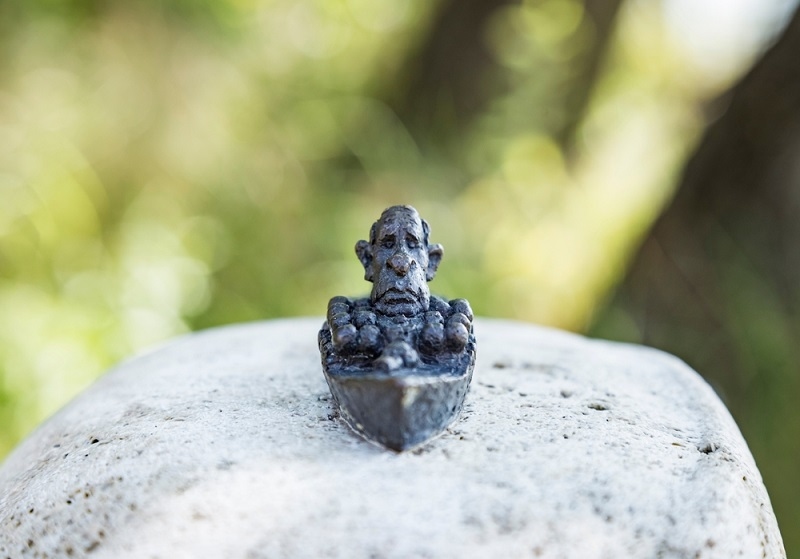
Micro-art is a small style of art that focuses on tiny shapes and slow steps. It uses calm movement and steady hands to build detail in small spaces. Many artists like this because it feels relaxed and clear.
This blog explains the ideas behind this art. It also covers the use of tiny art, along with simple methods, and the way microscopic art grows with practice.
Must Read: The Role of Art Galleries in Shaping Culture and Creativity
Miniature art has become common in many creative spaces. People enjoy art that feels close, small, and easy to see. Many artists also pick this style because it does not require much space or heavy tools. The work is simple to start, and most people find comfort in the slow process.
Artists often feel that miniature art helps them focus without pressure. When working small, the space is limited, so the mind stays on the shape and not much else. This creates a soft, steady flow while working. Viewers also enjoy miniature art because the details look surprising from such a small distance.
Miniature art also works well for learning. New artists use tiny painting tips to guide themselves, and the small steps help them stay calm. It is easier to repeat pieces since the work is small. This makes improvement feel natural and not forced. Many artists build a routine around small pieces, since they fit well into their daily time.
Tiny art gives artists a way to explore ideas without fear. When working small, the cost is low, the space is controlled, and the pressure is lighter. Many people say that tiny art helps them think more clearly because there is no rush. The small space makes each stroke feel important.
Tiny art also builds patience. The slow movement becomes part of the process. Artists often say they find a calm rhythm in the work. They use the time to look closer at shapes they would ignore in bigger art. This makes the small world feel rich with ideas.
Another reason tiny art matters is the freedom to try new things. Since the area is small, even simple ideas can be tested many times.
Microscopic art takes the size down even further. This style focuses on very small details that need slow and clean steps. Artists enjoy this because it brings a new level of control. It is calm work, not fast work. And that calm feeling becomes part of the style itself.
Microscopic art uses simple strokes and careful shading. Artists often work in natural light or steady light because the small shapes need clarity. Many also rest their hands on a fixed surface so the movement stays controlled. Every stroke moves in a slow line, forming the piece layer by layer.
This style is closely linked to micro art techniques. These techniques help artists stay organized, keep the surface clean, and build depth step by step. The idea is not to rush. Instead, each shape is placed gently, and the next shape builds on top of it.
Artists use simple and steady methods when working on small pieces. These micro art techniques help shape small areas and guide the work without strain.
This technique builds the artwork slowly with thin layers. The artist adds one layer, lets it settle, and then adds the next. This avoids mixing and keeps the colors clean. It gives time to check the shape before adding more.
This method uses a resting point, like a table or a small support, to keep the hand steady. It reduces shaking and keeps the lines smooth. Many artists like this method because tiny art needs calm strokes.
This approach builds depth in small spaces. The artist starts with light shading and adds darker tones slowly. The strokes stay soft so the shape forms without pressure. This method helps miniature art and microscopic art equally, because depth is easier to build when the strokes are simple and slow.
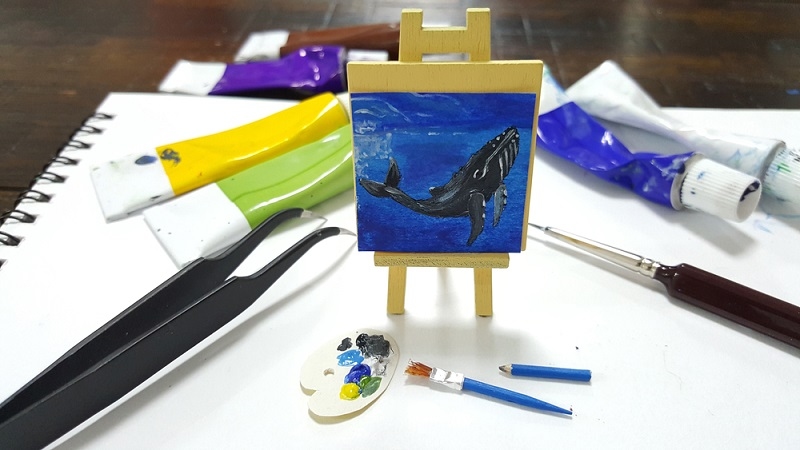
Tiny painting tips help guide both new and trained artists. These steps keep the work in control and reduce stress since small mistakes can be hard to fix.
Short strokes make the work easier to control. Each stroke stays small, so the artist can adjust quickly. This reduces smudging and helps the shape stay clean. It works well for miniature art and microscopic art because the detail stays clear when the movement is short and steady.
Clean brushes keep the strokes sharp. When color builds up on the brush, it becomes dull and hard to manage. Cleaning the tools often avoids mixing colors by mistake. This supports micro art techniques because a clean brush reacts better and gives clearer lines.
Test pieces give the artist room to warm up and try ideas. They help build confidence before starting the final work. A small test space also lets the artist try new strokes or tones without worry.
Natural light makes small shapes easier to see. It reduces strain and helps the artist notice soft edges or small shadows. This supports both miniature art and microscopic art because each stroke needs to be seen clearly. It also helps the artist stay relaxed while working.
Tiny art skill grows through small habits, simple steps, and steady practice. These methods support long-term growth without pressure.
Repeating small shapes each day builds muscle memory. The hand becomes familiar with smooth movement. Over time, this supports micro art techniques because the body feels more comfortable with small strokes.
Light and shadow shape depth in tiny art. By studying how they fall on objects, the artist learns how to place tones. This improves control and gives ideas for later work. It supports miniature art by helping the artist understand how small spaces can still show depth.
Trying new tools too quickly can confuse the process. Testing one tool at a time helps the artist learn how it behaves. This slow approach supports tiny art and microscopic art because each tool adds something new.
Top Pick: Understanding the Creative Process of an Artist in 2025
Micro-art grows because people enjoy simple detail and calm work. These steps, tips, and ideas guide artists as they develop their skills at their own pace. Anyone can explore this small world with steady practice and patience.
Miniature art shows small scenes, while tiny art focuses on very small shapes with simple detail.
They enjoy it because it offers calm control and slow progress.
They become simple with practice and steady steps.
This content was created by AI