

Walk through any big museum, and there's always one room where people slow down without even realizing it, the sculpture hall. Paintings stay flat on a wall, but sculpture actually takes up space right next to you. You end up walking around it, watching the shadows move, feeling small or big depending on how it's sized.
A handful of famous sculpture artists figured out how to turn cold marble, rough bronze, and even scrap metal into something that genuinely stops people mid-step. Their work wasn't just decoration for palaces and churches either. It changed how we think about the human body, memory, and even the public spaces we walk through every day.
What's interesting is how differently each era approached the same basic question: how do you make lifeless material feel like it has a pulse? Some leaned on realism, some chased pure emotion, and others ditched the human figure altogether. That range is exactly what makes sculpture history worth digging into.
Must Read: Famous Abstract Artists Who Transformed Modern Art History
These eight sculptors didn't just make things that looked nice. Each one changed what people expected sculpture to actually feel like.
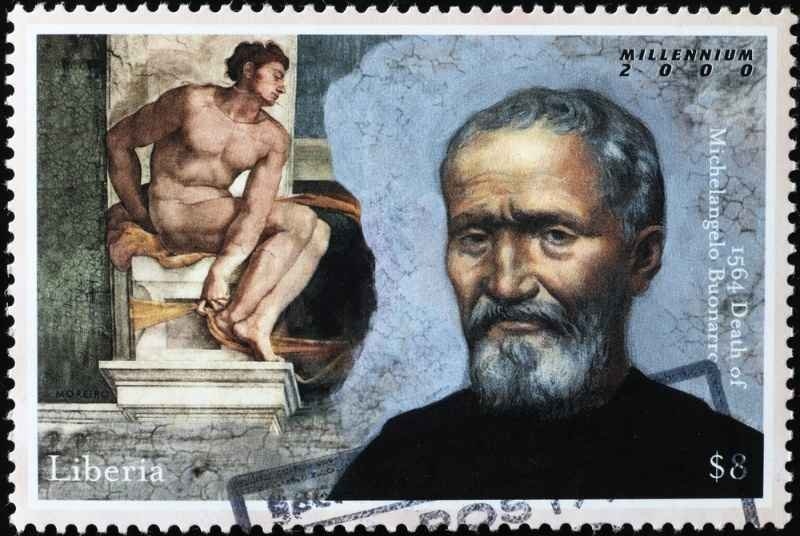
He worked like there was already a figure hiding inside the marble, just waiting to be let out. His David and Pietà are still two of the most studied sculptures anywhere in the world.
He gave Baroque sculpture this theatrical, almost cinematic sense of movement. In Ecstasy of Saint Teresa, the fabric looks caught mid-motion, which makes solid marble feel weirdly weightless.
Long before Michelangelo, he brought real anatomical accuracy back into fashion after centuries of flatter, stiffer figures. His bronze David is often called the first freestanding nude since ancient times.
He walked away from the polished perfection everyone expected and left rough, unfinished edges out in the open. The Thinker turned one seated figure into something recognized almost everywhere on earth.
He stripped sculpture down to its most basic shapes, carving straight into wood, stone, and bronze instead of building up from clay. His work opened the door for pretty much every abstract sculptor after him.
He built huge abstract figures that somehow still read as human bodies from a distance. A lot of his big bronze pieces sit outside public buildings and city parks around the world.
She used sculpture to work through memory, fear, and family history in a really direct way. Her giant spider piece, Maman, is probably one of the most photographed public sculptures out there.
He works mostly with reflective, mirrored surfaces that pull the viewer and the surrounding city right into the piece. Cloud Gate in Chicago, nicknamed the Bean, is basically become a landmark on its own.
Top Pick: Meet the Famous Female Painters Who Reshaped Art History
Lining these artists up side by side makes the shift in style over the centuries a lot easier to follow.
| Sculptor | Era | Known For |
| Donatello | Early Renaissance | Bringing back anatomical realism |
| Michelangelo | High Renaissance | Emotional weight carved into marble |
| Bernini | Baroque | Movement and theatrical drama |
| Rodin | Modern | Rough, expressive bronze textures |
| Brâncu?i | Modern | Simplified, almost abstract forms |
| Henry Moore | Modern | Massive abstract public bronzes |
| Bourgeois | Contemporary | Personal, symbolic, large-scale work |
| Kapoor | Contemporary | Mirrored, reflective public installations |
None of these artists just copied whoever came before them. That refusal to repeat the past is honestly the whole reason we still talk about any of them.
Naming the greatest sculptors of all time is one thing, but it's usually their individual masterpieces that actually stick in people's heads.
Carved between 1501 and 1504, this marble figure freezes the moment right before a fight instead of after one. That tension is a big part of why art students still pick it apart.
This was originally supposed to be one small piece of a much bigger gate, but it ended up taking on a life of its own. Now people recognize it instantly without needing any caption at all.
This enormous steel and bronze spider stretches more than thirty feet tall, and it seems to just loom right over whoever is standing nearby. Bourgeois said it was a tribute to her mother, like taking something that feels a bit unsettling and turning it into a sort of guarding presence.
Their influence didn't stay quietly in museums, not at all. It keeps showing up in how artists today think about substance, size, and the public realm, all that open shared space, you know.
These sculptors proved that everyday materials, fabric, steel scraps, and found objects could carry just as much weight as marble. That opened the door for far more experimental, famous, modern sculptors down the line.
A lot of famous contemporary sculptors now build for parks, plazas, and busy streets instead of private galleries. That means people end up encountering sculpture by accident, not just because they chose to visit a museum.
Early sculptors were obsessed with idealized beauty and perfect proportion. Later artists leaned into vulnerability and imperfection instead, which honestly makes a lot of that work feel more human.
If all these names and eras feel like a lot at once, there's no need to memorize everything right away.
Do this a handful of times, and the whole subject stops feeling like a long list of unfamiliar names.
Famous sculpture artists spent centuries figuring out how to make solid material feel like it's actually breathing. From Michelangelo's marble to Bourgeois's steel spider, each generation pushed the craft somewhere the last one hadn't gone yet. That restless need to surprise people is exactly why sculpture still hits so hard today.
Also Read: 7 Black Artists Who Reshaped Modern Visual Culture Today
It usually starts as a clay or wax model long before any bronze gets involved. From there, sculptors use something called lost wax casting, where that original model melts away and leaves a hollow mold behind for the molten bronze to fill.
Carving means taking material away, like chipping at a block of marble until a shape slowly appears. Modeling is the opposite, building something up from soft material like clay. Michelangelo carved his pieces, while plenty of bronze sculptors start with modeling instead.
There definitely are. Camille Claudel worked closely with Rodin and made some genuinely powerful pieces, though she rarely got the credit she deserved while she was alive. Barbara Hepworth is another one worth knowing, carving abstract stone and wood shapes that influenced sculptors for decades afterward.
Big pieces just need room to exist properly, and open space is really the only way people can take them in fully. Putting sculpture outside also means anyone can experience it for free, which is part of how city parks and plazas turn into little cultural landmarks over time.
It depends a lot on who made it and how rare that piece is. Some contemporary work from Jeff Koons or Louise Bourgeois has gone for tens of millions of dollars, while a smaller piece from a lesser-known sculptor might only bring in a few thousand.
This content was created by AI