

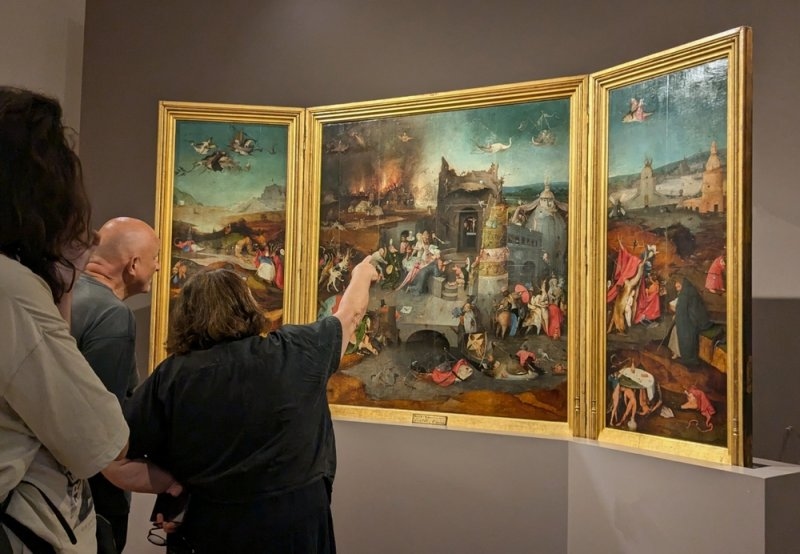
Art is a mirror of the world. Throughout thousands of years, art history has witnessed mankind's way of expressing our beliefs, documenting our presence, capturing our concept of beauty, and challenging our society.
Art history encompasses the oldest mural paintings in caves to the newest contemporary digital installations. Art history offers a guide into the changing face of stylistic trends and the cultures behind them.
Linguistic Hieroglyphs and Pictorial Books– Ancient Paintings, sculptures, buildings, and ornamental objects are a testament to the history of art. They tell us what the people of the past valued, shunned, admired, or were terrified of. This is why history from the ancient to modern periods can tell us about civilizations from a long time ago.
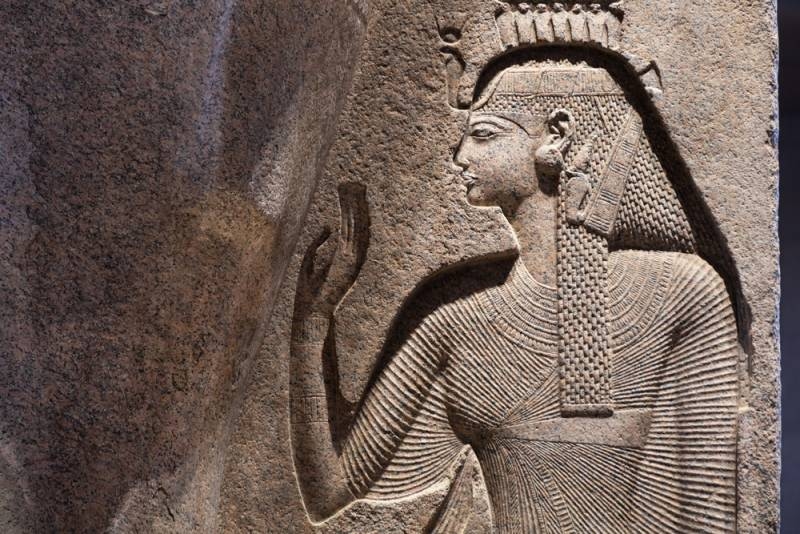
Religion was important in many of the earliest art periods. Egyptian artists produced pictures of gods, pharaohs, and the afterlife; Greek and Roman artists studied mythology, building design, and the human form; and other Asian, African, Islamic, Indigenous, and other cultures all developed their own art traditions. These various routes illustrate how art history was never tied to one tradition.
To help you study thousands of years, art history timelines are typically categorized into rough periods. Although these categories are extremely helpful, it is important to remember that they are approximate and styles can and do overlap. Here is a very simple timeline of art history and movements:
Major periods of art history:
Although this is a useful tool in pinpointing the key events of art history, it does not account for art in every country or art form. There are many schools of art throughout history, covering many periods.
The most dramatic revolution in the history of art movements was when the artists began to challenge the rules of realistic images. Instead of copying exactly what they saw, the artists started to play with colour, perspective, shapes, feelings, symbolism, and abstraction.
The Impressionists tried to capture the fleeting effects of light, but Post-Impressionist artists pushed colour and form in new directions. Cubists fragmented objects into many viewpoints, and Surrealists examined dreams and the unconscious mind. This development of art shows how art evolved through the ages by referencing and refuting what came before.
Art has always existed in relation to social change and cultural change. War, religion, political ideas, new forms of science, economic factors, and even shifting ideas of identity have had an impact on an artist's work and on how it is received.
This is one of the factors why the history of art is not just a list of recognizable names, pieces of art, etc. The history of a work of art, be it a painting, a photograph, a sculpture, or an installation, can be seen as a window into the issues of its society.
Technology has continually shifted the boundaries of what an artist could do. Artists found new colors and media available for painting, the printing press made copying images more easily, and then photography transformed the artists' pursuit of visual realism.
In later periods of art, new media such as film, video, computers, digital editing, and so on have produced new forms of art entirely. These new media are often integrated with physical art materials in contemporary art productions, such as the combination of computer-generated images with physical painting. To understand the later stages of the timeline of art history and art movements, they are integral to technological development.
If we survey the history of art over time, from primitive to contemporary, we see some constant human concerns. Artists and viewers have been exploring nature, spirituality, identity, power and relationships, death and love, beauty and ugliness, conflict and everyday life. The vocabulary might change.
The history of art traces the evolution of art over time. However, it also suggests that ancient traditions tend to never be lost entirely. Artists have often re-sourced, challenged, or satirized the work of older artists, from Renaissance-era artists studying classical art, to modern artists protesting the practices of traditional academic artists, to the recent history of the revisiting of existing art styles.
Understanding the evolution of art through history is not just about memorizing all of the artist names, dates, and art movements. A more enjoyable way to learn art history is to consider why things happen and what immediately precedes or follows them. Ask yourself: “What are the shifts, and what is the continuity?” “How has art changed over time?” and “Why did artists do something different?”
Looking at the key periods in history is a useful starting point, but they aren't the only traditions and cultures you should take into account. Looking at the history of art over the years can also help to reveal museums, galleries, buildings, photography, and even digital art.
This is an evolving story, a long story, of experimentation, experimentation, evolution, evolution, and change of the human race, and of those elements that we call art. The history of art timeline presents a way to understand this rather long story, while the evolution of art shows how many artists have used discoveries to evolve with changing ideas and materials, instruments, and situations.
For those new to art history, one way to approach the subject is to first learn the main periods and then to read about a handful of representative works in each period. Comparing subjects, media, techniques, and cultures is more helpful than memorizing artists' names and dates.
Art styles may change because of advances in technology, social values, political factors, religions, substances that are used, and as a response to past artistic works. Artists just might want to try out new techniques.
No. An art period is more of a historical time period, whereas an art movement is more about people who share similar concepts, styles, and methods. There can be many different movements in one era.
In contemporary art, many other materials or formats are used in widely varied combinations. For example, an artist might create an installation, video, or photographic piece, use performance or digital media, bring in found objects, or combine traditional and modern techniques.
Yes. Knowledge of historic art can be helpful in deciphering what some modern artists have to say; some modern artists have made works that react to, deconstruct, or attack previous conventions. Context is everything. Looking back can help one make sense of seemingly nonsensical things.
This content was created by AI