

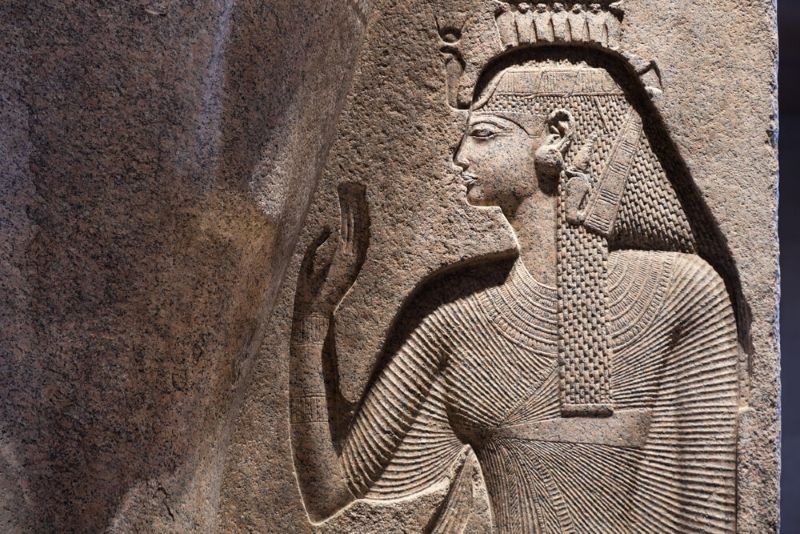
Even thousands of years after the downfall of its powerful dynasties, Ancient Egypt continues to captivate the world. From the imposing pyramids and intricate hieroglyphics to symbolic wall paintings and magnificent sculptures, Ancient Egyptian Art is one of the most enduring and recognizable of all art forms. It is of even greater interest to see how powerfully its influence continues to manifest in our interiors, architecture, fashion, and decorative arts today. But a question often comes: How ancient Egyptian art impacts modern interior design?
Over the past few years, designers have brought Egyptian-inspired elements into ultra-luxurious private homes, hotels, museums, and even minimalist modern interiors. Indeed, in recent months, trend reports on interior design have indicated an increase of almost 35% in luxury interior design trends over the last year, driven by historical and cultural influences, with Egyptian motifs often preferred for statement areas of interiors.
This article covers the origins and key characteristics of Ancient Egyptian Art, key iconic design features, and how this artistic legacy continues to surprisingly impact modern interior design.
Art in Ancient Egypt had one primary purpose: to reflect and honor religion, power, and the afterlife. Unlike the contemporary focus on expressing personal ideas and feelings, Ancient Egyptian Art maintained rigidly defined conventions of image creation to promote harmony and spiritually significant content.
One of the most distinctive features of Ancient Egyptian Wall Paintings is their unique presentation of profile figures with frontal perspective for the eyes and shoulders, a convention designed to clearly convey all the necessary aspects of a figure. Instead of realism, Egyptian artists relied on symbolism to convey their sacred content to viewers, ensuring that each object and image conveyed religious status or divine importance.
Egyptian artists utilized:
These stylistic choices enabled the creation of a unified, visually coherent system that remained unchanged for more than 3,000 years.
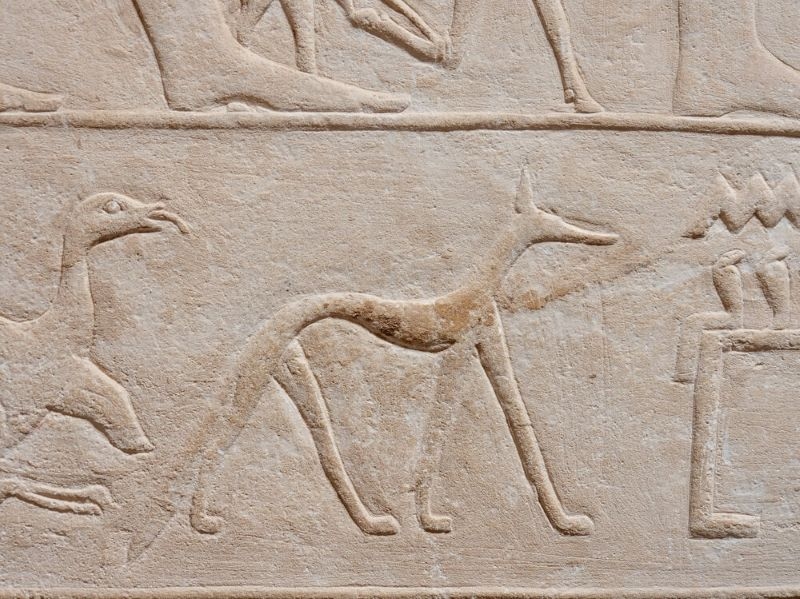
The Ancient Egyptian symbols we see were not merely purely decorative items. Each element used held immense significance, whether a particular shape, color, or form.
For example,
This symbolic foundation is precisely why Egyptian Design Influence has endured in the world of modern interiors. Design today uses symbolism to create meaning and emotion in an environment, adding emotional resonance and story to spaces.
We often see Egyptian design symbols used on statement art, furniture carving, and wallpaper designs within ultra-modern luxury homes for their undeniable elegance and cultural significance.
Sculpture art in Ancient Egypt played a critical role in preserving images and icons of the pharaohs and the Gods for eternity. Sculptures in this period were created from durable materials such as limestone, basalt, granite, and alabaster, all designed to last for an immeasurable time.
While Greek sculptures often conveyed a sense of movement and drama, sculptures in Ancient Egypt adhered to rigid positions of stillness and quiet contemplation. The purpose was to provide an impression of eternal order and stability for the Gods and the ruler. Colossal structures such as the Great Sphinx are still used as inspiration for our monumental sculptures and buildings today, and translate into our modern interiors through:
Today, Egyptian Art History continues to shape modern interior designs across the globe. The combination of modernism with Egyptian influences has created truly unique yet incredibly chic spaces.
Egyptian art is famous for its vibrant jewel-like colors, typically deep blues, gold, black, sand-colored earth tones, and rich reds. In modern expensive homes, these traditional colors provide richness and warmth. The widespread use of gold accents in modern homes comes straight from ancient Egyptian Sculpture Art. You see this element in mirrors, lighting, and decorative features.
Precision and balance are fundamental elements of Egyptian interiors. Modern interiors mimic this design convention through symmetrical layouts, clean geometric patterns often found in tilework or wallpaper, and perfectly aligned furniture.
According to research done by the American Society of Interior Designers, homeowners are increasingly drawn to symmetrical rooms as being inherently more calm and luxurious.
Modern, larger-than-life murals and heavily textured wall art today are strongly inspired by the tradition of Egyptian Wall Paintings. Many homes today feature expansive walls in boutique hotels and luxury apartments, adorned with mural-style imagery of Egyptian myths and symbols.
Wood, stone, clay, and linen were the key materials used during the Ancient Egyptian Art periods. Today's interiors, inspired by the move toward environmentalism, also highly value natural materials and handmade features.
Combining these elements with Egyptian-style décor creates harmonious interiors.
Ancient Egyptian Art continues to hold value in culture today for several reasons, primarily because of the enduring designs and incredible tales they tell and, importantly, because of the combination of symbolism, geometry, and valuable materials, which produce a design at once old and new.
Thanks to platforms such as Pinterest and Instagram, people are continuing to seek out and find beauty and inspiration in historical design, with searches for 'Egyptian-inspired interiors' and 'pharaoh-themed decor' surging.
This interest is also fueled by ongoing efforts in film, theater, museums, and fashion brands to reinterpret and reintroduce elements of Ancient Egyptian Art into modern culture.
Completely redoing your home to fully embody Egyptian Design Influence isn't the only way to capture a touch of its style; indeed, small accents can contribute greatly to a richly designed space.
There are a few simple tricks that you can employ in order to incorporate a hint of Egypt into your home:
However, it is important not to overdo the idea of an Egyptian home. In minimalist rooms, a hint of Egyptian elements will look just chic.
Ancient Egyptian art continues to leave an indelible and influential mark on the modern world, on both grand and micro scales. In addition to its striking murals and immense statues, it is also present in the modern interior design elements of various homes around the globe, the characteristic balance of which can be admired.
It is the storytelling quality of Ancient Egyptian Art, coupled with its strong symbolic and aesthetic beauty, that makes it a style to be celebrated and drawn from thousands of years on from its initial creation. You can also find inspiration for design and stuff on platforms like designgpt.com. Its artistic traditions continue to inspire architects, interior designers, artists, and homeowners worldwide, and its popularity is likely to increase as global love for culture, meaning, and beauty continues to grow.
The artwork of Ancient Egypt was largely dictated by the strict conventions and rules of Egyptian culture and religion. Consistency was key, as the art was deeply imbued with spiritual and social significance. In contrast to the modern emphasis on experimentation and unique creations, Egyptian artists were much more focused on conveying symbols and divine power and on upholding an ordered aesthetic. This meant that Egyptian design and art styles rarely altered over many centuries.
Limestone, granite, sandstone, alabaster, and marble were among the most commonly used stone materials for sculpture in Ancient Egypt. Wood, clay, and papyrus were also important materials, as was the highly prized gold for ornamentation and to represent divinity. Pigments used for painting and decorative items were often derived from natural mineral or plant-based resources, such as iron oxides, ochre, and malachite.
Egyptian symbols, such as the Eye of Horus, the Ankh, the scarab beetle, and the lotus flower, are powerful icons representing protection, power, new beginnings, and divine wisdom. This is what appeals to modern décor trends—the ability to infuse a room with layers of meaning and create a rich, unique aesthetic. In conjunction with gold accents, Egyptian symbols provide the perfect amount of texture, warmth, and opulence to a modern space.
This content was created by AI