

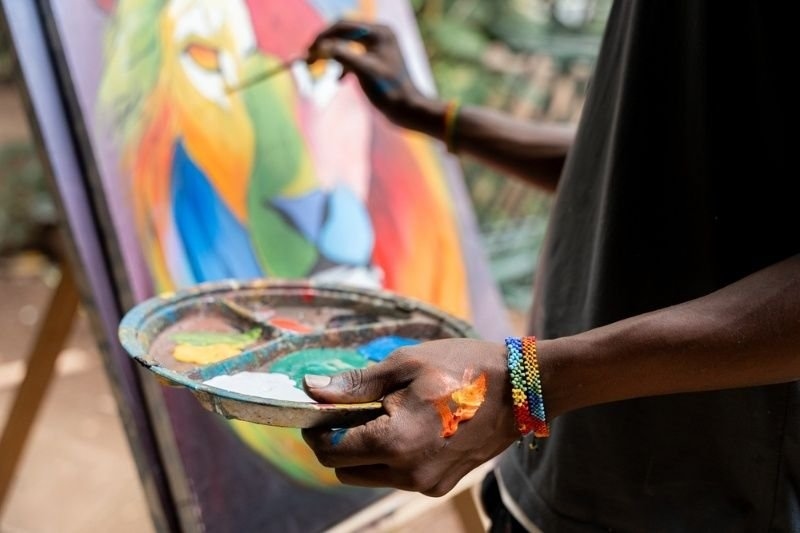
European painters completely hijacked tribal designs in the early 1900s to escape their own boring traditions. Walking through a contemporary art museum basically means looking at a giant room full of stolen inspiration. The whole modern design scene owes a massive, unpayable debt to ancient tribal craftsmen who never got a dime for their work. Arrogant painters slapped geometric wooden faces onto flat canvas and immediately called it a brand new movement. Tracking the origins of cubism proves exactly where the famous European masters grabbed their best ideas. The raw intensity of tribal artifacts completely destroyed the boring, realistic rules of old-school portrait painting.
Must Read: A Beginner’s Look at Shapes and Styles of Cubism Art
Furniture makers and graphic designers constantly rip off ancient tribal patterns to sell expensive modern goods. Staring at contemporary minimalist decor quickly reveals heavy tribal roots hiding in plain sight.
Modernist painters ditched realistic curves entirely. They aggressively copied the harsh, sharp angles found in wooden ceremonial masks to build totally fractured, broken portraits.
Tribal carvers left massive gaps in wood sculptures on purpose. Current interior designers exploit that exact same empty-space concept to make tiny, cramped apartments look huge.
Traditional textile weavers threw aggressive, clashing colors right next to each other. Major fashion brands now steal those identical bold color blocks to sell overpriced runway jackets.
Leaving wood and clay completely unpainted was a standard tribal aesthetic move. Modernist architects now rip off that exact raw look, charging millions of dollars for exposed concrete and rough timber houses.
Ancient craftsmen never cared about carving a perfectly accurate human body. They stretched out necks and enlarged heads. This directly taught modern illustrators how to safely break strict anatomical rules.
Native carvers never wasted time making cute decorations. Every cut piece of wood carried intense political power or triggered brutal religious rituals.
When outsiders showed up demanding boring canvas art, the local guys rebelled. They pushed harder into extreme woodcarving. Keeping those ancient, aggressive shapes alive gave the invaders a massive middle finger.
Metalworkers started melting down discarded colonial bullet casings and broken engine parts. They transformed total junk into massive, intimidating street sculptures that told the brutal truth about local wars.
Carvers refused to make cheap decorative living room pieces. They crafted heavy, functional tools meant specifically for violent rituals and deep religious use out in the bush.
A few heavy hitters dragged traditional local aesthetics onto the global stage. These specific African artists forced snooty gallery owners to finally respect the continent.

This guy wires thousands of crushed liquor bottle caps together by hand. He builds massive, shimmering metal blankets that completely dominate giant museum walls and sell for millions.
He successfully mashed up flat European painting techniques with traditional Nigerian sculpting. His heavy bronze statues basically legitimized the continent's modern scene overnight.
Painting aggressive, hyper-colorful street scenes made him famous globally. He slapped biting political text right over his canvas, forcing wealthy buyers to actually read the harsh truth about corruption.
Spotting the stolen tribal motifs takes zero effort once you know the basic tells. The entire cubist era completely relies on these specific aesthetic tricks.
Look closely at early Cubist portraits. The faces look exactly like flattened wooden tribal masks. They feature completely misaligned eyes, jagged noses, and unnervingly sharp cheekbones.
European painters completely stopped trying to create realistic 3D backgrounds. They ripped off the flat, stacked-up look of traditional woven textiles to make their canvas look chaotic and loud.
Modern sculptors stretched out limbs and shrank torsos constantly. They ripped this exact visual trick straight from ancient fertility statues to make the human body look alien and strange.
Tracing the origins means looking way past standard canvas paintings and pretentious galleries. Ancient tribes used raw dirt, heavy bronze, and carved ivory to document their bloodlines long before mass-produced paper existed. Checking out real African art history exposes a massive network of highly functional design. Every single carved chair, beaded necklace, and woven basket carried a specific political rank or a deadly spiritual warning. Absolutely nothing existed purely for decoration. Creating a wooden mask meant forging a direct telephone line to dead ancestors. European museum curators eventually looted these functional items, slapped them behind cheap glass cases, and totally erased the original context. Seeing the raw, unfiltered power of these ancient items explains exactly why modern painters became obsessed with the intense aesthetic.
The global design world still runs purely on stolen tribal aesthetics. Stripping away the fancy gallery lighting reveals the heavy, raw roots of ancient craftsmanship hiding inside contemporary pieces. The massive African art influence completely reshaped how the world builds furniture, paints canvases, and prints textiles.
Paint carried heavy spiritual weight. Crushing up white chalk and applying it to a wooden mask specifically represented contact with the dead or the spirit realm. Smearing red clay on a carving signaled danger, war, or powerful magic.
A carver completely depended on the natural curve of the tree branch or the elephant tusk. Instead of forcing the wood into a perfectly straight line, the artist let the raw material bend the final sculpture, creating those famous asymmetrical shapes.
Secret local gangs paid carvers to make nightmare masks just to police the streets. Slipping that wood over your face literally erased human laws. The guy wearing it became a walking god, letting him crush lawbreakers with zero blowback.
The community valued the spiritual function of the object way more than the ego of the guy who carved it. Once a priest blessed a wooden figure, the community considered it a living spirit, completely erasing the identity of the original craftsman.
Legit fashion labels skip the digital theft. They pay real weavers down in Nigeria for the raw cloth. Dropping hard cash directly into those artists' hands feeds their own neighborhoods instead of lazily copying ancient shapes off a cheap computer screen.
This content was created by AI