

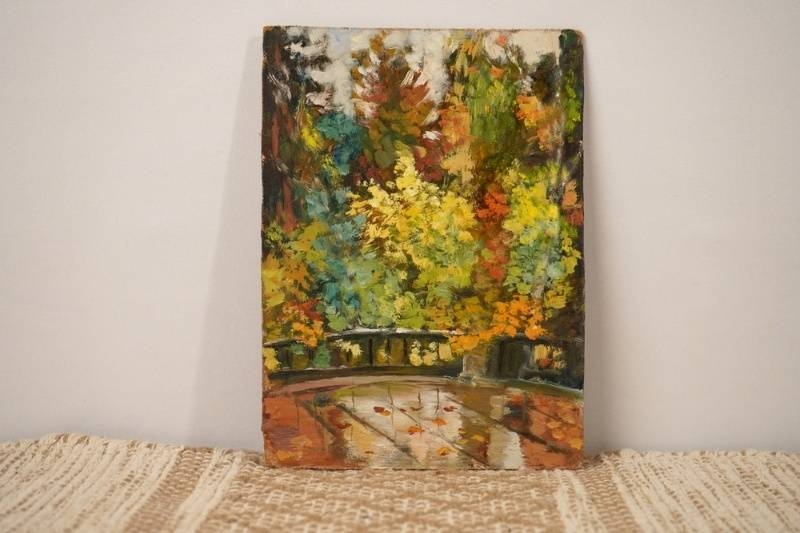
Impressionism gave us a new way to look at art. Artists stopped painting detailed and perfect paintings and started focusing on light, color, and everyday moments in life. Paintings became lively and realistic. The Impressionist art movement helped lead to modern art and inspired great artists to create masterpieces. It helps newcomers see art in a fresh new way while exploring the history of modern art.
The movement of Impressionist art began in France in the late nineteenth century. During this time, many young artists felt that the art world was restricted by strict rules imposed by traditional art schools. Most paintings of the time depicted great myths, historical battles, or portraits with dark colors and smooth finishes. A new generation of artists had had enough and instead started creating modern works and began using the art of painting en plein air. By using open and expressive brushstrokes, they captured outdoor scenes and everyday light.
The name “Impressionism” was taken from one of Claude Monet's paintings entitled Impression, Sunrise. It was originally intended to insult the piece; critics thought that it looked like an unfinished work. It later became an inspiration to an art movement that changed art forever. French Impressionism then swept across Europe and eventually the world.
Check this out: 10 Famous American Artists Who Changed Art History
The use of light is perhaps one of the most fundamental and important features of Impressionist art. Impressionists attempted to paint light and the ever-changing way in which sunlight falls and reflects off objects at various times of day. Instead of using dark colors for shadows, the artists tried mixing vibrant colors to form the right shadows, which added a fresh and lively effect.
The use of visible brushwork is also a highly important element in Impressionist paintings. This was completely different from old-fashioned painters who wanted to hide every single brush stroke and make their work look like it was something they didn't paint at all but like the result of a polished product. The Impressionists made brushstrokes of their work obvious to show their individual touch. The paintings had a feeling of motion and emotions, and the public could feel the ambiance the artist wanted to communicate without them having sharp details.
Plenty of artists helped to give rise to the Impressionist movement, and it is widely believed that it was Claude Monet who became its leading figure because of his contemplation on nature and the way it changed its light. Some of the most famous works created by him are The Water Lily paintings, haystack and garden paintings, and a number of landscapes, which have become modern art history's iconic pieces and can still be found by art students and lovers today.
Other artists that contributed to the Impressionist movement were Pierre-Auguste Renoir, Camille Pissarro, and Edgar Degas, and they are only a few of the numerous talented artists that formed this style of painting. Renoir's works were made using a wide variety of colors, creating happy and warm portraits, while Degas excelled in depicting ballerinas and French street scenes. Camille Pissarro excelled in the landscape, often depicting peaceful countryside scenes.
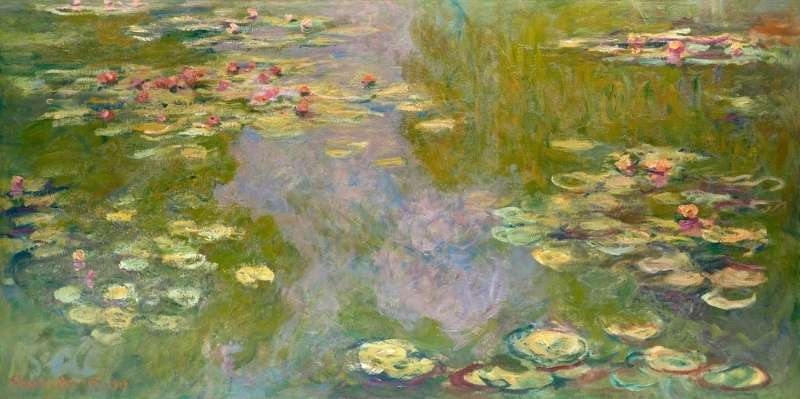
Claude Monet's paintings are world-famous because of the way that they were able to capture the fleeting essence of the day. He painted numerous studies of his subject from his garden, such as haystacks and his water lily paintings, at different times of the day, believing that light altered anything that could be seen. He painted various studies of Rouen Cathedral throughout different hours of the day, demonstrating the profound effects of light.
One important technique that Monet used was plein air painting. This technique involves artists painting outdoors, in nature, where they can observe the changes in light directly. Monet's works epitomized the essence of the Impressionist art movement, as the art world no longer depended on studio paintings or accurate representations of their subject but rather on a subjective one.
Before Impressionist art, many artists painted kings, stories from the Bible, or myths. Impressionists created art based on everyday life: painting everyday scenes such as their garden, their family gathered at home, and scenes of everyday life. Because of this, French Impressionism plays an extremely important role in modern art history and is seen by many as a turning point.
The Impressionist art movement helped to spark a chain of different art movements. The constraints imposed upon painters were removed, and they no longer had to conform to rules. Color, shape, personal expression, and composition were all rethought, which eventually led to styles of painting like post-impressionism, cubism, abstract art, and many more.
Modern-day painters, as well as all art lovers worldwide, continue to look at the art of the Impressionists for inspiration and to help them understand their own work and art history. Impressionist paintings can be seen in museums worldwide, and people flock to see works by masters such as Claude Monet.
For newcomers, it can be confusing at first, as the detail within Impressionist paintings is quite fuzzy from up close. However, if one steps away and looks at a painting from a greater distance, it will all come into perspective, and the loose brushstrokes become a real image that conveys great atmosphere. Comparison of a range of paintings by an artist like Claude Monet at different times of the day shows just how far art could go. This helps to observe the combination of colors and the movement in the piece of art.
Impressionist art today has become the most cherished form of art in the world, with some of the most famous French Impressionists, such as Monet, featured prominently in museums all over the world. Art books and online articles are continuously inspiring new admirers of Impressionist art with their works.
The impact it had on modern art is still strongly apparent, and elements of its technique can be found in photography, cinematography, and interior design. The colors, the light, and the very nature of Impressionist art continue to impact the world of art.
Explore Next: Forgotten Art Movements Reshaping Museum Exhibits
Impressionist art proved to the art world that perfection was not necessary but rather a unique and new approach to art that had a greater meaning. Through their painting, they helped to forge a new language of art, and their unique style continues to influence us today.
By looking at and appreciating Impressionist art, you are taking a huge step towards a greater understanding of modern art history and are exploring art in a personal and meaningful way.
Traditional painters concentrated on producing an accurate and detailed portrayal of subject matter that they used to represent historical events and stories. On the other hand, Impressionist painters concentrated on the detail in a way that was loose; they chose a subject matter such as everyday scenes and tried to represent the light, weather, and feel of the time in their paintings by using a variety of different paint techniques such as dabbing, which then became part of Impressionist painting and also gave a modern look.
Impressionist painters loved to paint outside because it allowed them to discover natural sunlight and the feel of the weather. By using a painting style of the outside, they found it was possible to discover new shades of color and movement and hence gave paintings a fresh look, which was part of the essence of the Impressionist movement.
There are a number of well-known art galleries that contain large amounts of Impressionist paintings. One of the most famous has to be the Musée d'Orsay in Paris. The Metropolitan Museum is another famous location and has many famous Impressionist paintings and works relating to the style.
By Impressionist painters being more open to new and experimental painting methods, these have then gone on to affect future styles, such as Post-Impressionist art, abstraction, and even modern art, which have used these methods, particularly through observation and experimentation from Impressionist painters in French history.
This content was created by AI