

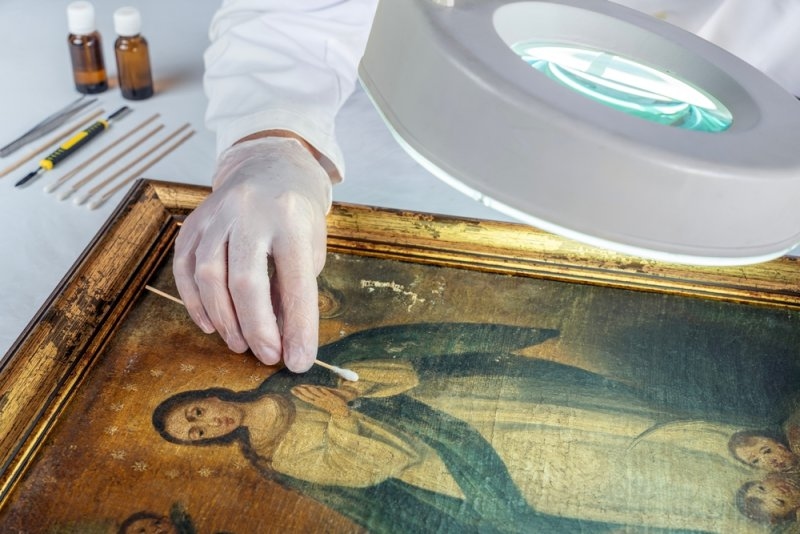
Ancient visual pieces face totally brutal weather. Decades of raw sunlight, thick cigar smoke, and shifting humidity totally melt fragile color drops. Saving these heavy cultural assets requires conducting highly rigorous art restoration procedures. Ignoring ancient paintings completely guarantees absolute physical destruction and massive loss of visual history. Gallery bosses strictly push heavy lab science to fix brutal physical rips fast. Rescuing these fragile visual files requires absolute mechanical perfection, completely blocking cheap amateur glue jobs that destroy raw fabric threads. Giant global museums completely trust these harsh rules to keep massive financial investments from totally breaking into absolute worthless dust.
Must Read: A Practical Beginner's Guide to Starting an Art Collection
Running proper art restoration means actively fighting brutal physical rotting on ancient items. Heavy lab operators methodically strip thick grime, yellowed gloss, and totally garbage repairs. This brutal chemical routine attempts to lock down fragile threads without causing extra physical trauma, exposing the absolute raw colors dropped by the founder.
Tackling the physical challenge of restoring old paintings exposes completely terrifying financial risks. A single microscopic mistake instantly erases millions of dollars in cultural value. Ancient organic materials react unpredictably to modern synthetic solvents, demanding obsessive testing phases before executing major chemical applications. Questioning the ethics of painting restoration requires understanding the fine line between preserving and rewriting history. Institutional laboratories spend massive funding analyzing microscopic paint flakes just to determine exact historical pigment origins. Bypassing these brutal testing protocols guarantees permanent visual destruction. Professional conservators totally refuse to rush these fragile procedures, often spending several consecutive years reviving a single damaged masterpiece safely and completely preventing totally irreversible structural tragedies.
Top Pick: Famous Sculpture Artists Whose Masterpieces Still Inspire
Modern environmental pollution accelerates the brutal destruction of unprotected historical pieces aggressively. Executing proper artwork restoration prevents massive cultural extinction immediately.
Ancient varnishes naturally turn totally acidic over massive timeframes. Removing these toxic layers strictly stops the acid from completely burning through original delicate canvas fibers.
Centuries of heavy candle soot completely obscure original background figures. Strategic solvent application totally lifts the dark grime, exposing completely forgotten historical characters.
Rotting wooden frames constantly threaten to tear antique canvases completely apart. Specialists strictly install modern, climate-resistant backing boards to totally prevent devastating physical rips.
Damaged pieces instantly lose massive auction leverage. Stabilizing fragile paint totally ensures wealthy institutional buyers pay absolute premium prices during elite global art auctions.

Professionals totally reject random guesswork when approaching highly unstable historical artifacts. Strict art conservation protocols demand analyzing highly specific physical metrics before executing actual physical treatments.
Identifying exact historical pigments prevents totally disastrous chemical reactions. Applying strong modern solvents to delicate tempera paint strictly causes absolute irreversible melting.
Moisture completely warps raw wooden panels rapidly. Conservators strictly evaluate the exact humidity levels inside institutional vaults before recommending completely permanent structural fixes.
Historical owners constantly applied highly destructive fake repairs. Modern technicians absolutely must identify and strip away these terrible past corrections without ruining the authentic base layers.
Pieces headed for totally bright museum displays require specific UV-blocking varnishes. Permanent dark storage strictly requires totally different protective chemical coatings to stop mold growth.
Institutional laboratories deploy ruthless scientific methods to revive destroyed cultural assets. These highly specific art restoration techniques totally dominate the modern preservation industry.
Operators drag small cotton sticks across broken canvas, packing totally raw acid blends. This move strips dirty gloss without scratching the real bottom paint.
Shooting heavy invisible light through solid paint totally reveals the hidden original pencil sketches. This exposes exact historical changes made directly by the original master.
Lab workers push thin metal pins to physically stitch giant fabric tears together. That heavy string job actually rebuilds the raw physical stretch.
Technicians strictly apply easily removable synthetic paints to fill totally missing color gaps. This specific rule allows future generations to easily reverse the exact modern intervention.
Highly calibrated light beams completely vaporize centuries of heavy pollution. The raw laser strictly targets the dark grime while ignoring the bright historical pigments underneath.
Syringes pump heavy synthetic adhesives directly under completely flaking paint chips. This strict process permanently glues the lifting colors directly back onto the raw canvas.
Sealing warped wooden panels inside totally controlled moisture chambers slowly flattens severe bends. This prevents the ancient wood from completely snapping under heavy pressure.
Protecting massive cultural history strictly requires ignoring cheap, incredibly fast cosmetic fixes. Serious institutions exclusively fund meticulous art restoration efforts to guarantee permanent structural survival. Throwing totally unproven chemicals onto incredibly rare masterpieces guarantees absolute historical destruction. Elite conservators strictly map the raw chemical reality, execute highly controlled synthetic interventions, and totally stabilize fragile materials for future global generations.
Technicians strictly deploy sealed fumigation chambers utilizing completely harmless inert gases. This oxygen-free environment entirely suffocates the active mold spores without applying highly destructive liquid chemicals to the totally fragile antique paper fibers.
Basic household liquids contain completely harsh, totally unregulated acidic compounds. These totally aggressive chemicals instantly strip away original oil pigments, causing absolute permanent destruction to the specific historical artifact.
This highly advanced scanning machinery completely identifies the exact atomic elements hiding inside specific ancient paint. Knowing the strict heavy metal content totally prevents accidental toxic exposure during the complex chemical removal processes.
Specialists strictly insert customized fiberglass pinning rods deep inside the cracked stone. Pumping specialized reversible epoxy around these totally hidden rods creates a completely massive internal support system blocking future structural collapses.
Yes. Ancient artists often heavily relied on specific clear glazes to create deep shadows. Modern technicians absolutely must differentiate between damaging later varnishes and the totally authentic original tonal glazes before executing chemical stripping.
This content was created by AI