

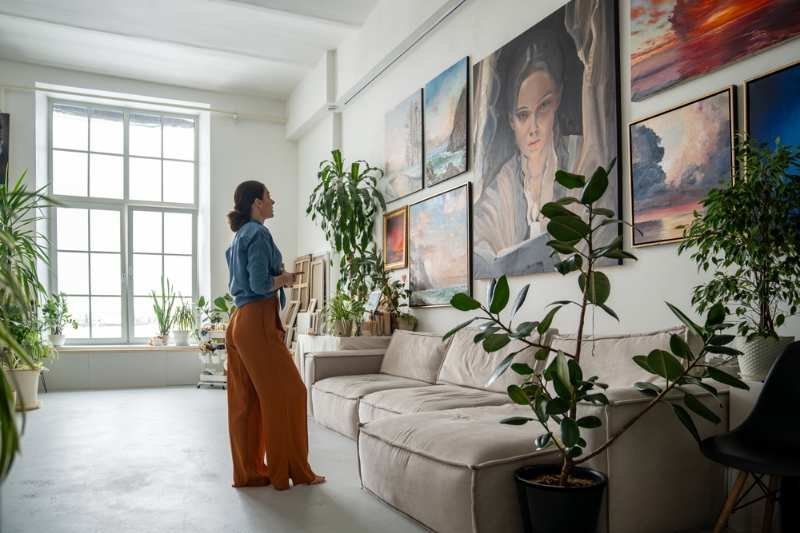
Art collecting has this reputation for being exclusive, like something reserved for people with more money than sense. Honestly, that's not how it works for most collectors. You can start with a single piece you love and a budget that fits your actual life, and build from there.
At its core, an art collection is just a group of works that mean something to you, whether that's paintings, prints, or ceramics you've picked up over the years. It matters because it's personal. You're supporting artists directly, and often the pieces grow in value as your eye and your knowledge grow with them.
Here's the thing nobody tells beginners: how to start an art collection has less to do with money than people assume. Buy small, buy often, and let the collection build itself over years instead of trying to nail it all at once.
Figure out what you can actually spend before you start browsing, because browsing without limits is how people end up regretting a purchase. A lot of collectors start under 300 dollars and go from there.
Don't buy something just because someone told you it'll be worth more someday. Buy what you'd want on your wall regardless of price, because you're the one living with it every day.
Keep a running note of what you bought, from whom, and for how much. It sounds tedious, but you'll thank yourself later when you need it for insurance or an appraisal.
Picking your first piece is genuinely nerve-wracking, and that's fine. A few solid art collecting tips can take the edge off. Mostly it comes down to not rushing and not trusting your gut alone.
Stick with galleries, known online platforms, or artists who have an actual visible track record. You want a certificate of authenticity and a return policy, full stop, no exceptions here.
Look into where they trained, what they've shown, and how their career has moved. It's not just trivia; it tends to line up with how well a piece holds its value.
Go to museums. Read a little. Look at more art than you think you need to before spending anything. Context makes it so much easier to spot what's actually good.
Explore More: Famous Abstract Artists Who Transformed Modern Art History
This is the part people get stuck on. Where does anyone actually buy real art? Between galleries, fairs, and online marketplaces, you've got more options than you'd think, each with its own tradeoffs.
| Source | Best For | Things to Check |
| Galleries | Curated quality, expert guidance | Reputation, certificates, return policy |
| Art Fairs | Meeting artists directly | Provenance, pricing transparency |
| Online Marketplaces | Budget options, wide variety | Seller reviews, shipping insurance |
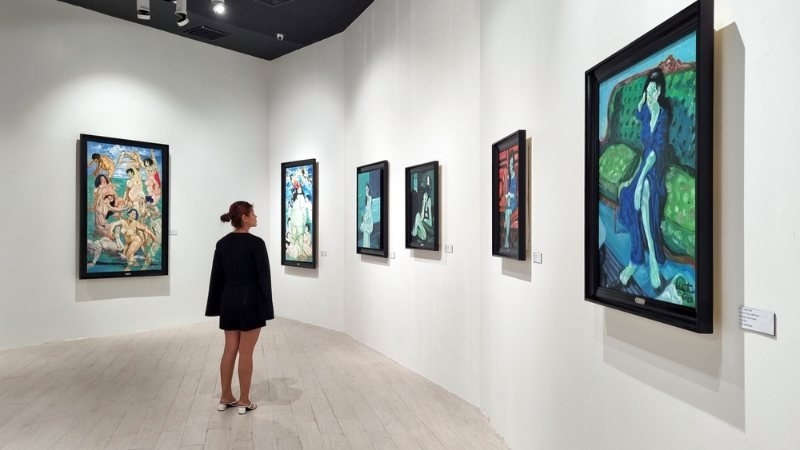
Seeing a piece in person before you buy it changes everything, honestly. You also get to talk to the gallery owner or the artist, and that conversation alone is often worth the trip.
This is where you'll find newer artists at prices that won't scare you off. Just check the seller's reviews and make sure shipping is insured before you hit purchase.
Worth a Look: Famous Sculpture Artists Whose Masterpieces Still Inspire
Framing isn't just about looks; it's protection. UV glass, acid-free matting, and keeping pieces out of direct sunlight will keep them in good shape for decades instead of years.
Once you've got more than a piece or two, humidity and handling start to matter a lot. Get insurance once the collection's worth more than you'd want to casually replace out of pocket.
Everyone gets a few things wrong early on; that's just part of it. Knowing the common traps ahead of time saves you money and a fair amount of frustration.
Starting an art collection really just takes patience, an honest sense of your own taste, and buying from people you trust. Keep it small at first. Let it grow naturally. What you end up with says a lot more about you than any investment spreadsheet ever could.
Honestly, it's setting a budget you'll actually stick to, buying pieces you love rather than ones you think will appreciate, and only purchasing from galleries or online sellers with a real reputation behind them.
You can get started for well under 300 dollars with prints or work from emerging artists. From there, your budget naturally grows alongside your knowledge and how serious you become about collecting.
If you are new to buying art, start with galleries, online marketplaces, and local art fairs. These places usually provide proof of authenticity. You also get fair pricing more often. Many of them will let you return the item if there is a problem.
Nothing's guaranteed, but artists with growing recognition, solid exhibition history, and verified provenance tend to hold value better over time than anything unknown or undocumented that you'd buy on a whim.
UV protective glass, stable humidity, and careful handling during moves go a long way. Once your collection's worth climbs past what you'd comfortably replace yourself, it's time to look into insurance too.
This content was created by AI