

Galleries in 2026 are a whole new vibe. The paintings are up, sure, but people expect more than pretty pictures. They want stories, emotion, sometimes even arguments. The conversation’s shifted. Artists are tossing old labels aside, blending classic technique with bold, sometimes wild new twists. That makes the shows unpredictable and way more exciting.
You might see traditional oil paintings hanging right next to digital pieces, and honestly, nobody bats an eye. The mix sparks a bigger conversation—what does it mean to be creative right now? Let's take a look at how modern art is transforming galleries in 2026, the reasons why these are enduring, and the distinguishing characteristics of these art forms.
The biggest galleries aren’t hung up on just one “look” anymore. Instead, modern artists mix history with what matters today. Artists borrow from established movements, then twist them into something personal. That's what keeps exhibitions fresh.
Unlike earlier decades, galleries now display several modern art styles side by side. Visitors move from expressive canvases to geometric cityscapes without feeling disconnected. The contrast becomes part of the experience.
Many modern art painting styles have moved beyond traditional paint techniques. You’ll see painters fusing acrylics with recycled objects, digital art, deeply textured surfaces, or stacked layers of paint. It isn't perfection; it's expressing something that is important.
A few artists prefer to work in a traditional manner, while certain artists enjoy doing the non-conforming. That balance makes today's exhibitions feel alive rather than repetitive.
Many contemporary art movements respond directly to technology, identity, climate concerns, or social change. Artists aren't trying to predict the future. They're reacting to the present.
Back in the day, art movements took decades to evolve. Now? Ideas bounce around so fast that galleries have to switch up their exhibits all the time just to keep up.
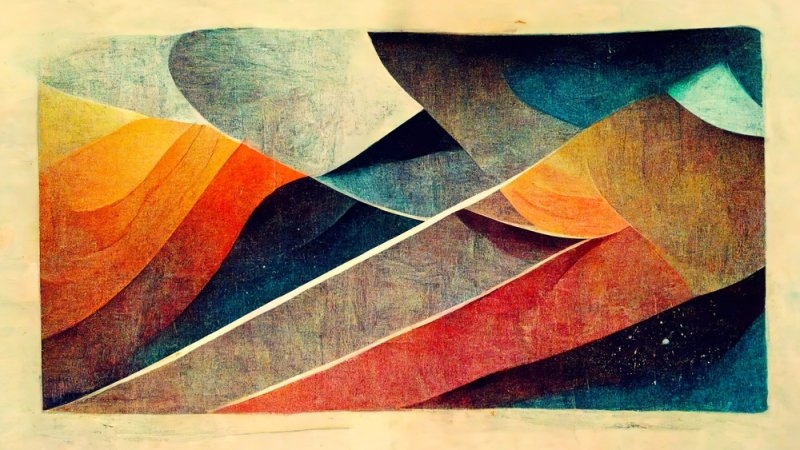
Abstract expressionism still packs a punch. Jackson Pollock made it famous, and the movement cares more about gut feelings than perfection. Paint splatters, bold gestures, uneven compositions—everything feels spontaneous even when carefully planned.
Several modern art painting styles borrow directly from abstract expressionism. Thick brushstrokes, layered textures, unpredictable color placement; these techniques continue appearing in gallery collections.
Among the many types of modern art, abstract art and expressionism remain among the easiest to recognize. Large canvases, emotional movement, visible process.
Pop art refuses to disappear. Originally made famous by Andy Warhol, this movement challenged consumer culture using everyday products, celebrity images, plus commercial design.
The reason why many art styles are popular is that they are easily identifiable within their visual vocabulary. Pop art works this way. Bright colors, repeated images, bold graphics.
Several contemporary art movements build upon Pop Art instead of copying it. Artists now critique digital advertising, online identity, influencer culture, plus fast consumer habits. The tools changed. The conversation stayed surprisingly similar.
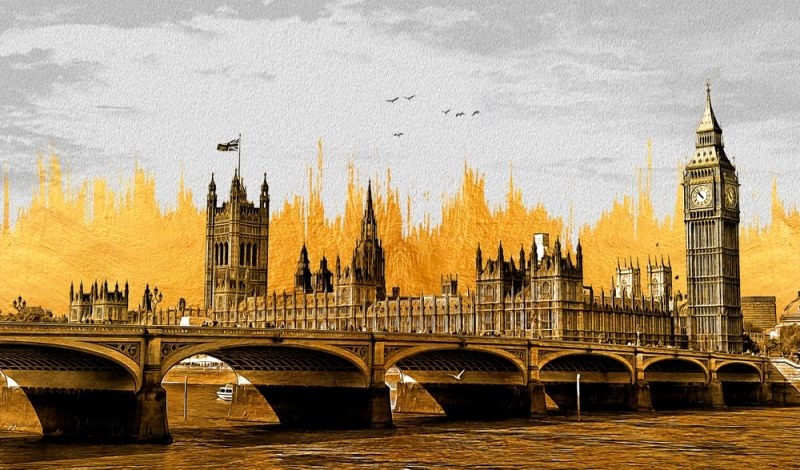
Precisionism receives less public attention, yet galleries increasingly feature it beside louder modern art styles. Instead of emotional brushwork, Precisionism celebrates structure. Clean lines. Industrial buildings. Sharp geometry.
Looking across different types of modern art, precisionism stands apart because emotion stays restrained. Everything feels controlled. That visual discipline offers a welcome contrast to expressive movements displayed nearby.
Some popular art styles celebrate freedom. Others celebrate order. Precisionism proves both approaches deserve attention. Visitors often appreciate seeing emotional paintings beside carefully constructed architectural scenes because the comparison sharpens each experience.
Here’s a quick look at a few standouts:
| Movement | Main Focus | Visual Style | Famous Example |
|---|---|---|---|
| Abstract Expressionism | Emotion and personal expression | Gestural, energetic, non-representational | Jackson Pollock |
| Pop Art | Consumer culture and media | Bright colors, repeated imagery | Andy Warhol |
| Precisionism | Industry and architecture | Clean geometry, sharp lines | Charles Sheeler |
This isn’t a ranking—it just shows how each style tackles creativity in its own way.
In 2026, color trend overlaps are everywhere. Artists don’t stick to a single lane. You’ll see pieces that blend Precisionist order with the chaos of abstract expressionism, or others that splash in Pop Art colors to talk about climate change—stuff no one would’ve mixed together even a few years ago.
Most modern paintings start on canvas, but they might get tweaked digitally or printed with extra texture on top. Instead of replacing traditional techniques, technology expands them. The painting remains central. The process simply grows.
There’s not one trend ruling the scene anymore. Modern art survives and thrives because it stays flexible. Abstract expressionism still pours out pure emotion. Pop art keeps poking at consumer culture. And Precisionism? It proves that neatness and clean geometry can be just as intense as abstract explosions.
Old movements aren’t fading out. They stand tall with the latest trends, reminding us that art is always moving but never loses its past. Learning how to spot different styles makes any gallery trip more interesting—it’s almost like picking up a new language in every room.
If you’re new to modern art, start simple. Pick one movement and learn what makes it tick. When you’re in front of a piece, read its description, look for the colors, shapes, and any feeling it gives you. Let the hidden meanings come later.
It’s all about sparking comparisons. You see how artists tackle the same ideas but take totally different roads. Just keep looking, stay curious, and let it mess with your expectations. That’s where the fun is.
Absolutely. An artwork’s worth depends on the artist’s reputation, how rare it is, its story, and what collectors are hungry for. Sure, quality matters, but the art market’s appetite drives a lot of long-term worth.
Go for pieces you genuinely connect with, not just what’s trendy. Look at the artist’s story, how well they craft their work, and if it fits your space. When art means something personal, it sticks around in your life—way longer than the buzz of popularity.
This content was created by AI