

Abstract art often raises questions before it answers any. You stand in front of a canvas and there are no figures, no hills, no fruit bowls, no portraits staring back. Instead you find shape, color, movement, rhythm. You might search for meaning, or the work might make you feel something before you find words for it. That moment is where abstract art lives. It expresses emotion without relying on the world we already know. It speaks through tone, balance, and intuition. When you ask what abstract art really is, the answer is not a single line. It is an approach to seeing, not copying.
At its core, abstract art moves away from imitation. Traditional painters once painted faces, forests, still life compositions, sunsets, gods, and kings. But abstract art steps out of that frame and starts building visual language from scratch. Here form, color, space and gesture replace literal representation. You do not identify objects. You experience composition.
In many abstract paintings you cannot point to a shape and say it is a horse or a ladder or a house. Instead your attention lands on contrast, softness, tension, repetition. An abstract work of art creates meaning without narrative. It does not show a story. It feels like one.
Because of this, an art work abstract demands a different kind of viewer. It asks you to observe instead of decode. You look at the brushstroke, the color choice, the weight of a single line. Meaning appears from the arrangement rather than object recognition. You may not find answers, but you are expected to respond.
Abstract art did not appear randomly. It arrived when artists felt that copying reality was no longer enough. Industrial change, urban expansion, psychology, philosophy and shifting cultural energy pushed painters to search for new ways of seeing. Realism captured appearance, but not always experience. Modern thinkers wanted to paint the invisible inner world, not only the visible one.
As the twentieth century began, artists questioned the purpose of representation. They wanted freedom to explore subjectivity, rhythm and emotion. Abstraction became a language for things that lacked physical form. A sound, a memory, a sensation could become color. A thought could turn into shape.
More to Discover: The Role of Art Galleries in Shaping Culture and Creativity
Several qualities separate abstract art from representational tradition. These distinctions explain why viewers sometimes feel uncertain when facing an abstract canvas.
In an abstract work of art the subject is not what you see but what you feel or think. A painting made of layered blue fields may evoke calmness or distance. A chaotic burst of red strokes may feel like conflict or energy. The work does not tell you what to conclude. You bring your own memory and perception to complete it.
Not all abstract art looks the same. Some pieces are calm and minimal, others are intense and layered. Over time artists developed distinct approaches, each exploring a different way of breaking away from realism.
An abstract art work might blend these methods or stand firmly within one. The movement is a spectrum, not a category box. Artists adapt the style to their intention.
Some abstract works changed art history forever. Early pioneers proved that art did not need to imitate nature to be powerful. They moved from replication to exploration. Instead of painting what the eye sees, they painted what the mind senses. Their work broke established rules and opened new creative paths for future generations.
When viewers encountered early abstract paintings, reactions ranged from fascination to confusion. People were used to portraits and landscapes. A canvas filled only with shapes and color felt like rebellion. But that rebellion expanded art rather than destroying it. It taught audiences to feel instead of identify. It gave painters permission to express the unseen.
Today abstract art works hang in galleries worldwide and are studied, debated, collected and reinterpreted constantly. Their impact continues because they changed how we define art itself.
Explore More: How Biophilic Art Turns Spaces into Natural Sanctuaries
If you feel lost when looking at abstract art, you are not alone. The best way to approach it is not by searching for objects but by noticing qualities. Start with the basics. What colors dominate the surface. Are the lines heavy or light. Does the composition feel balanced or restless. Do shapes clash or flow.
After observing structure, pause and notice your internal reaction. Calmness, tension, curiosity, nostalgia, confusion. Abstract art often works through sensation before logic.
Some people dismiss abstract art as randomness. That usually comes from expecting realism from something that never promised it. If you expect a portrait and receive only shape, you assume absence. But abstraction is not emptiness. It is structure behind difference.
Even when strokes seem chaotic, composition is often deliberate. Artists think about weight, balance and rhythm the way musicians think about timing.
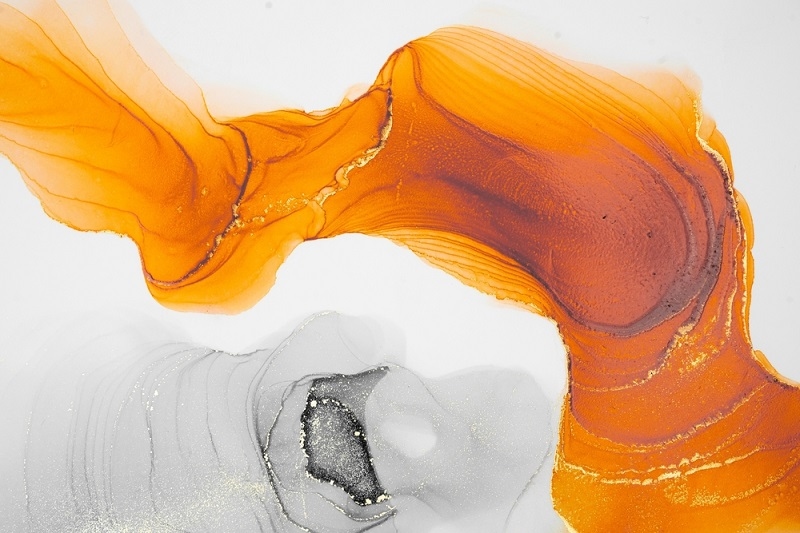
Abstract art remains relevant because it communicates without boundaries. It transcends language and geography. You do not need cultural context to respond to color or motion. You only need eyes and mind and a willingness to engage. An abstract art work invites interpretation rather than dictates it. That freedom gives art longevity.
Modern artists continue to work with abstraction because the language is flexible. It accepts innovation. New materials, digital forms, hybrid techniques all fit comfortably within the abstract space. As long as artists keep questioning how to express feeling through form, abstraction will remain alive.
You may like: Discover 70s Art Influence on Modern Creative Trends
Abstract art is not about what you see but how you see. It reminds us that creativity is not only documentation. It is also intuition, emotion and internal landscape. When you stand in front of an art work abstract, you are not expected to identify objects. You are invited to reflect, sense and participate.
An abstract work of art is a space where imagination leads and meaning emerges slowly. You bring yourself into the painting and the painting gives something back. That exchange is the essence of abstraction. It is the reason abstract art still speaks to us.
Check out some frequently asked questions
It is art that does not copy real objects. Meaning comes from color, line, form and emotion rather than literal subjects.
Because balance, tone, and space can create emotion without detail. A small gesture can carry weight when it is intentional.
Look for feeling, not objects. Notice color, rhythm and mood. Let your reaction come naturally.
This content was created by AI