

Digital creatives are now living through an exciting period of transformation, driven by fast-paced technological innovation, the growth of NFT and blockchain-based platforms for creating and displaying digital works, and the extensive opportunities now available for artists to share their work and make money from it.
Simultaneously, the shift towards crypto-based forms of art and the growing status of digital artists in the United States continue to reshape the value and perception of artworks worldwide. The importance of digital art no longer resides in being a niche form but has become a highly credible and recognized global movement with legitimate value for individuals and cultures through new ways to experience, create, and own art grounded in decentralized principles.
This blog will consider how these trends are redefining creativity, artists, collectors, and investors in the future.
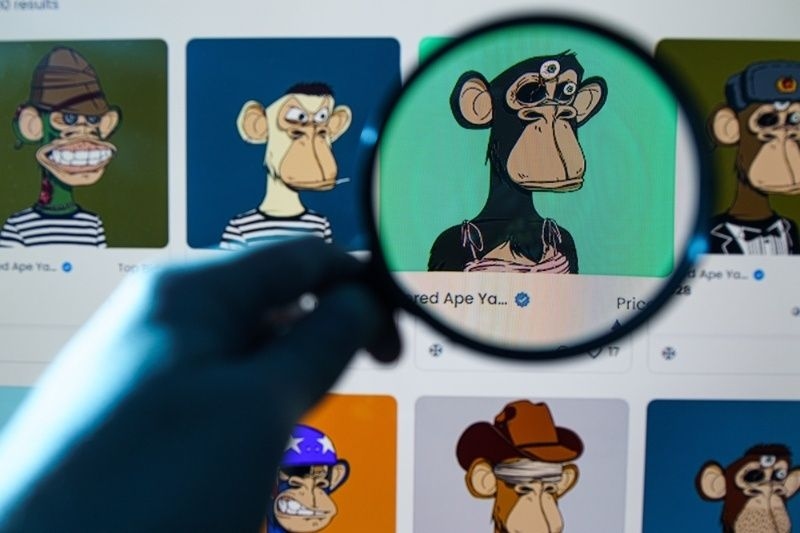
Art trends in the digital era are changing quickly as innovative technologies emerge in hot NFT markets, new crypto artist trends develop, and strong blockchain-based platforms continue to grow. With more options for independent or commercial artists creating digital artwork in the United States and around the globe, the field of digital art has become increasingly varied, accessible, and lucrative for all involved.
Today, creating and selling art on decentralized platforms and having true digital ownership of the artwork are revolutionizing the way we create and sell art, no matter where in the world someone is creating or selling it.
NFTs have dominated discussions on digital ownership because they enable artists to verify and securely sell their work. Collectors appreciate NFTs for their ability to be both one-of-a-kind and verifiable. This new trend has allowed creators to earn commissions from resale, thereby providing them with ongoing sources of income.
As digital artwork continues to evolve, NFTs are becoming more complex with fractional ownership and art that evolves over time.
Crypto art is expanding the concept of digital art by offering engaging, immersive experiences through augmented reality (AR) and virtual reality (VR), as well as artificial intelligence-generated artwork.
The use of innovative technologies in producing crypto art will lead artists to create digital experiences that can be engaged with rather than simply viewed.
In 2026, digital art is not just for visual stimulation; it tells stories, connects communities, and introduces technology into the artist's work.
As blockchain-based art platforms emerged, the way artists distribute and monetize their art has changed forever. Using decentralized marketplaces like OpenSea and Foundation will allow artists to maintain verifiable, secure, transparent, and fair compensation for their work.
The art created by the artist can be displayed on these platforms, retaining ownership and therefore not relying on third parties to transact in their work.
In 2026, blockchain art platforms will provide more advanced tools for creators, including analytics and audience insights, to help them monetize their works.
The impact of American digital artists is pivotal in shaping global art trends. The cutting edge of new technologies and the continual innovation and creation with these tools are a huge part of establishing a baseline of quality, originality, and market value for their work; this has taken shape across various areas of the NFT art marketplace and beyond.
Creating with technology (such as using artificial intelligence to support design or 3D modeling) has given today's digital artists unprecedented latitude to create one-of-a-kind digital work. This artistic innovation will simultaneously serve as a catalyst for the art concepts emerging as crypto-art trends globally, influencing artists worldwide to explore new mediums and expand creatively.
The flexibility offered by digital platforms gives artists an unprecedented opportunity to develop entirely new art styles and formats, and, as such, the volume of creativity in digital art trends by 2026 will be remarkable.
The internet has enabled artists and collectors to connect globally, removing geographical limitations by allowing the use of blockchain platforms to display and sell digital art. With this newfound access to an audience, curators can have expanded exposure while continuing to increase demand for their artwork. Additionally, there is growing validation of digital artists' creative output, with the absence of traditional gatekeepers, offering them the opportunity to become well-known in their own right.
Global connectivity is essential for continued growth and collaboration among digital artists as they shape digital art trends in 2026.
Artists are monetizing their works in ways that are non-traditional to this point. While NFTs have been the main focus for providing access to works of art, there are new opportunities through subscription services for collectors, offering various types of exclusive content, and developing experiences within a virtual environment.
In addition, the introduction of the NFT art market has provided artists with innovative opportunities for recurring revenue through royalties. This will provide artists with ongoing financial security and support the growth of the digital art market.
There’s no underestimating the importance of blockchain-based art platforms; they serve as the foundation upon which the new digital art world has been built.
With blockchain technology, digital art can be guaranteed as authentic, owned, and fairly compensated; thus, it will be an essential part of future trends in digital art throughout 2026.
Because it provides greater transparency than any other transactional method, blockchain enables everyone participating in an art transaction to trust their counterparties. Both the artist and the collector can verify title and/or authenticity through blockchain on their respective sides.
The security offered by blockchain-based transactions will provide a more secure way to prevent fraud and other forms of intellectual property infringement in the NFT-based art marketplace.
Decentralization enables artists to have full control over their works and any earnings they may generate. Over the past few years, this empowerment has been a hallmark characteristic of the crypto art world, effectively connecting creators with their audiences like never before.
As the world of digital art continues to develop throughout 2026, we will see decentralized platforms revolutionize traditional power structures in the art marketplace.
The potential future innovations and opportunities arising from the continued development of blockchain technology in the art world are immense, as artists and developers seek to create a variety of ways to integrate artificial intelligence, virtual reality, and the metaverse into their user experiences.
As blockchain technology continues to develop and refine, artists will create immersive virtual galleries and interactive exhibitions.
As developments and trends in the digital art world evolve, blockchain-based platforms will remain a significant driver of their growth and development.
Digital Art Trends: 2026's conclusion shows that there will be many opportunities within the realm of the changing landscape of digital art trends due to the growing NFT art market as well as crypto art trends continuing to evolve; plus, the increasing amount of blockchain platforms providing creators with new tools to create digital works in ways that they did not previously have available to them. There have never been so many resources available for an artist (e.g., tech), and for artists all over the world (particularly those located in the U.S.), the ongoing success of these global creative and innovative standards established by USA-based digital artists will only serve to continue to further this transformation in digital art trends as technology continues to grow and develop.
A beginner can enter the Digital Art Trends movement in 2026 by learning how to use various design tools, joining blockchain art platforms, and studying crypto art trends. Starting with small projects on different NFT art markets allows you to gain experience and build your network with digital artists in the United States, including the opportunity to gain exposure, develop your creative network, and create new works in the long term.
The following tools are essential for digital artists in 2026: advanced graphic design software, access to AI design platforms, and the ability to use blockchain-based art-selling platforms. Digital artists in the United States often use virtual and augmented reality technology to deepen their connection to crypto art trends; therefore, tools for integrating with the NFT artwork market can help artists manage their artwork, its minting, and its sale on a global scale.
Blockchain-based digital art platforms provide a secure environment for selling artwork through decentralized verification and transparent transaction mechanisms. As a result, artists have their ownership rights secured when they use a blockchain-based digital artwork platform, and collectors benefit from knowing their artwork is authentic. With respect to Digital Art Trends 2026, blockchain-based platforms significantly reduce the overall risk of fraud in the NFT marketplace and increase trust levels.
Crypto art trends motivate traditional artists to change to digital media. It also gives them an international audience through blockchain art platforms and participation in the NFT art market. Digital artists in the USA often combine conventional production methods with digital innovations, thereby expanding their creative options and providing new ways to generate revenue.
NFT art has created a framework for verifying art ownership and an opportunity for artists to generate resale royalties. Furthermore, the NFT art market enables direct interaction between artists and their audiences, which digital artists in the USA use to increase their earnings. The NFT art market also enables artists to create exclusive digital content while managing their price point, how they deliver their work, and building value for their brand in the future.
This content was created by AI