

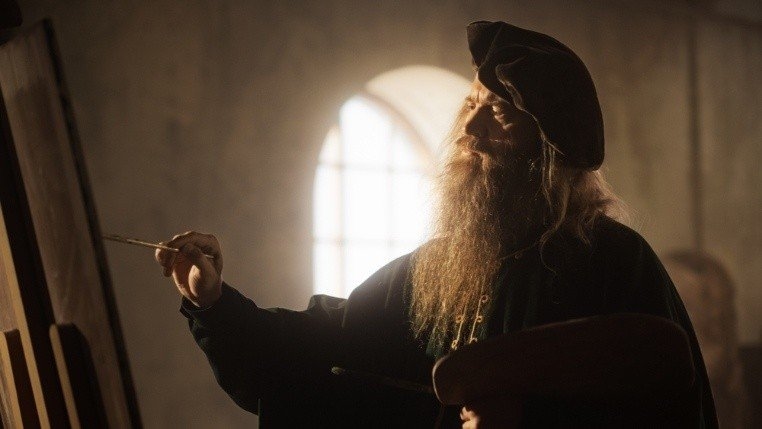
Some faces just stay with you, centuries after the paint dried. Famous portrait painters figured out early that a good portrait isn't really about nailing a likeness. It's about mood, tension, and something honest sitting underneath the surface. From old Renaissance names to today's most talked-about artists, portraiture keeps proving it can outlast photographs, headlines—even the people it depicts.
A handful of portrait painters turned ordinary faces into cultural icons, and they did it through years of patient looking and hard-won skill. Their work still shapes how artists approach the human form today. Each brought something different to the table, and you can still spot their fingerprints in modern portraiture.
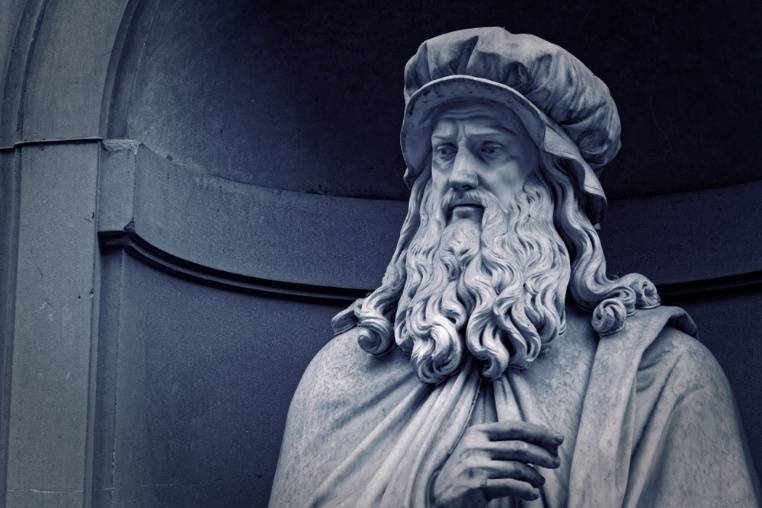
Leonardo studied anatomy obsessively, and it shows—his subjects seem to actually breathe on canvas. His Mona Lisa remains the most recognized portrait in the world, full stop. Curious about his process? We go deeper into his Renaissance work here.
Rembrandt leaned hard on light and shadow, using it to expose what his subjects felt rather than just what they looked like. He painted himself over forty times across his career. Taken together, those self-portraits read almost like a diary—a man aging and getting more honest with himself along the way.
Vermeer didn't produce much, but Girl with a Pearl Earring alone earned him a permanent seat in art history. He had this gift for handling light on skin and fabric that gave his work an odd stillness—almost photographic, centuries before cameras existed.
Other portrait artists pushed the genre somewhere else entirely—past formal likeness, into raw feeling, bold color, and personal storytelling. Their experiments stretched what people expected from a portrait, and honestly, a lot of that spirit still shows up in studios today.
Sargent painted Gilded Age society with a confidence that jumps right off the canvas, Madame X being the obvious example. His work had polish, sure, but there was also a quiet drama running underneath—his subjects feel caught mid-thought, not posed.
Kahlo turned self-portraiture into something closer to confession. She mixed physical pain with personal symbolism in a way almost nobody had tried before her. That kind of unflinching honesty reshaped how later artists approached painting themselves.
Van Gogh's brushstrokes were thick, restless, and almost impatient—and they turned even a simple face into something alive. His self-portraits, many painted during real personal struggle, feel like an artist working through his feelings with paint instead of words.
Famous painted portraits stick around because they tap into something universal about being human—not just one frozen face. The best portrait painters balance real skill with emotional insight, which is exactly why a portrait can still feel personal hundreds of years later.
A few things tend to separate the unforgettable ones from the forgettable ones:
Put those together, and you get a painted face that seems to look back at you—decades, sometimes centuries, later.
Contemporary portrait artists are keeping the tradition going, just with new tools, wider perspectives, and braver choices. Many blend classic painting techniques with digital work or photography references, which keeps the genre feeling current instead of stuck in a museum.
Names worth knowing include Lucian Freud, famous for his unsparing realism, and Jenny Saville, whose portraits feel almost uncomfortably physical. Kehinde Wiley reworks classical poses using contemporary Black subjects, while Sasha Gordon paints hyperrealistic, surreal self-portraits that dig into identity itself.
A handful of famous portraits by famous artists have become so recognizable they've basically escaped the art world—showing up on mugs, phone cases, and in everyday conversation. Knowing these pieces explains why portraiture stays one of the most talked-about genres out there.
Each piece takes its own approach to capturing a person, but they all share that same strange, living presence on canvas.
Once you start noticing technique, looking at a portrait stops being passive—it turns into actual discovery. Instead of just clocking who's in the frame, try studying how the artist used brushwork, color, and composition to build emotional weight. If this kind of close looking appeals to you, figurative art is worth exploring too, since it grew out of many of the same roots.
Next time you're in front of a portrait, try this:
Most people point to Leonardo da Vinci—mainly because the Mona Lisa is so globally recognized. His technical skill and the painting's lingering mystery keep that debate alive.
Honestly, it comes down to emotional depth. Skilled portrait artists reveal something about personality through light and gesture, not just an accurate resemblance sitting there on its own.
They really are. A lot of contemporary portrait artists study older techniques like chiaroscuro and sfumato, then twist them into something new using modern materials and their own cultural lens.
They tap into feelings that feel universal no matter the era. Get referenced enough times in culture, and a portrait basically turns into a symbol recognized well beyond art circles.
Sure—no training required. Just start paying attention to light, expression, and composition. Appreciation builds fast once you slow down and actually look.
This content was created by AI