

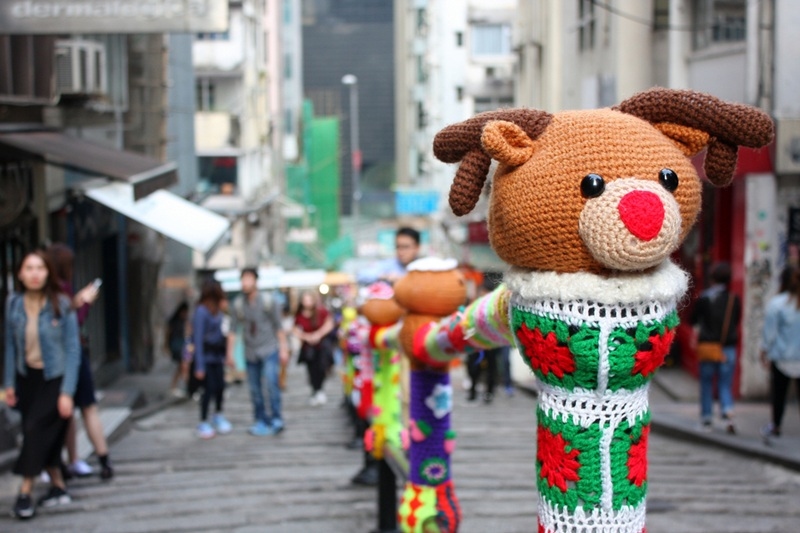
Yarn bombing is a form of street art that uses yarn instead of paint. It brings color, warmth, and texture into public places that often feel cold or ignored. In the first few moments of seeing it, people usually smile or stop walking. That pause is the point. Many still ask what yarn bombing is and why it shows up on poles, benches, or trees. The idea is simple. Yarn bombing uses knitting or crochet to cover objects in public areas. Yarn bombing techniques vary, but the goal stays the same. Make art that feels friendly and open. This is not about damage or ownership. It is about shared space and small joy.
Yarn bombing? Can it be explained without fancy terms? It is when yarn art is placed in public spaces to surprise and brighten the area. It started as a quiet way for artists to express creativity without harsh tools or loud messages.
Yarn bombing often appears on
Unlike graffiti, yarn bombing feels soft and temporary. That softness changes how people react to public art.
Yarn feels human. It reminds people of home, care, and patience. Yarn bombing does not scream for attention. It invites curiosity instead. This gentle approach is why many cities tolerate or quietly support it.
Learn More Here: What Is Digital Art? History, Value & Role of Technology
Yarn bombing grew from knitting circles and craft communities. Many early artists wanted their work seen outside small rooms. Public space became the canvas.
Here’s the thing. Yarn bombing was never about rebellion alone. It was about visibility. Fiber art was often dismissed as craft rather than art. Yarn bombing challenged that idea in public view.
Yarn bombing techniques range from very simple to highly detailed. Some projects take hours. Others take weeks. Each method depends on skill level and location.
This is the most common style. Yarn is wrapped around an object and tied securely.
This works best for
It is quick and easy, making it popular for beginners.
Panels are made ahead of time and stitched together on-site. This allows more design control.
Benefits include
Many large yarn bombing projects use this method.
Freeform work has no set pattern. Shapes grow naturally as the artist works.
This style allows
Yarn bombing techniques like this feel playful and bold.
In-Depth Guide: Understanding the Creative Process of an Artist in 2026
Yarn bombing works because it feels shared. People recognize the time and care that go into it. It softens complex spaces and invites conversation.
Community reactions often include
What this really means is that yarn bombing changes how people feel about their surroundings.
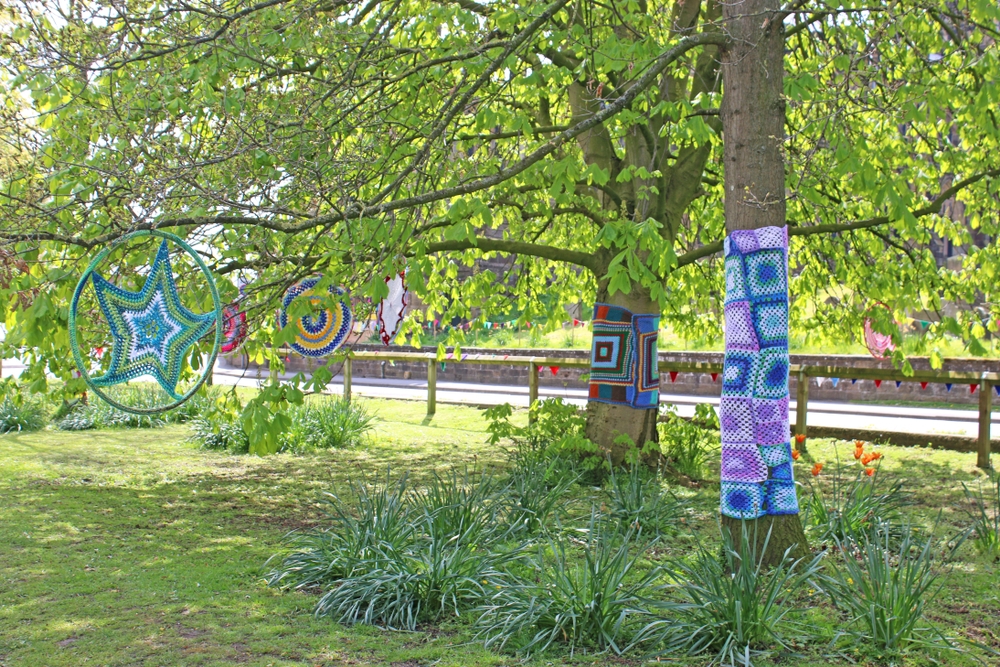
The rules for yarn bombing vary by location. Many cities treat it as temporary decoration rather than vandalism. Since no damage is done, it often stays up longer than expected.
Artists usually choose places where removal is easy—space is respected in yarn bombing culture.
Yarn bombing does not require expensive tools. Simple materials are often enough.
Common supplies include
Weather matters too. Some yarn types hold up better outdoors.
Yarn bombing does not rely on text or slogans. Color and texture do the talking. This makes it accessible to everyone.
Messages often communicated include
Yarn bombing feels quiet but powerful.
Photos help yarn bombing travel far beyond one street. A small piece can reach thousands online. This visibility keeps the movement alive.
Artists often share work to
Still, the real impact happens offline when someone smiles as they walk past.
For beginners, asking what yarn bombing is and starting small helps. A simple wrap on a quiet street builds confidence.
Beginner tips include
Learning yarn bombing techniques takes practice, not perfection.
Yarn bombing does not mark territory. It feels like a gift. That emotional tone changes everything.
Key differences include
This is why yarn bombing continues to grow quietly.
Recommended Article: Top Micro Art Techniques & Methods to Enhance Your Skillset
Yarn bombing turns everyday objects into moments of surprise and care. By understanding what yarn bombing is and learning simple techniques, public spaces become warmer and more human. This art form proves creativity does not need permission to be kind. Join the movement and notice how small details change big places.
Acrylic yarn is the top choice. It handles sun and rain well. It does not rot like wool can. But remember, acrylic is plastic. It will not break down in nature. So take your art down when the time comes. Wool is natural, but it can get moldy. Pick based on the weather.
It varies. Some last for years if the yarn is of good quality. But weather fades colors. Wind can loosen things. Rain makes yarn heavy. Most people take theirs down after a few months. That keeps things fresh and protects the object underneath.
Yes, for sure. Kids can pick colors and wrap short sections. Older kids can measure and cut with help. Just watch them near the streets. Make it a family thing. It teaches kids about art and community. Plus, they love seeing their work out in the world.
Not really. Wrapping does not need knitting skills. You can just wrap the yarn around. Found that counts as yarn bombing. If you want to make panels, you need to learn basic knitting or crochet. But there is no test. Just have fun with it.
This content was created by AI