

Watercolor looks deceptively simple. A few pigments, a brush, some water, a sheet of paper... how hard can it be? Pretty hard, actually. Almost nobody nails it on the first try. Unlike oils or acrylics, you can't really paint over a mistake once it's made. The brush touches the paper, the pigment does what it wants, and you're mostly along for the ride. That's probably why the world's most famous watercolor artists get so much respect. Behind every one of their paintings are years of ruined paper, blotchy washes, and slow, hard-won control over a medium that never fully cooperates.
This article walks through the artists who shaped watercolor painting, some of the works that made them household names, and why the medium still has a reputation for being brutally difficult, even today.
Before getting into the artists, it's worth understanding why this medium has such a rough reputation in the first place.
That combination, unpredictability plus permanence, is basically what separates a weekend hobbyist from the best watercolor painters history remembers.
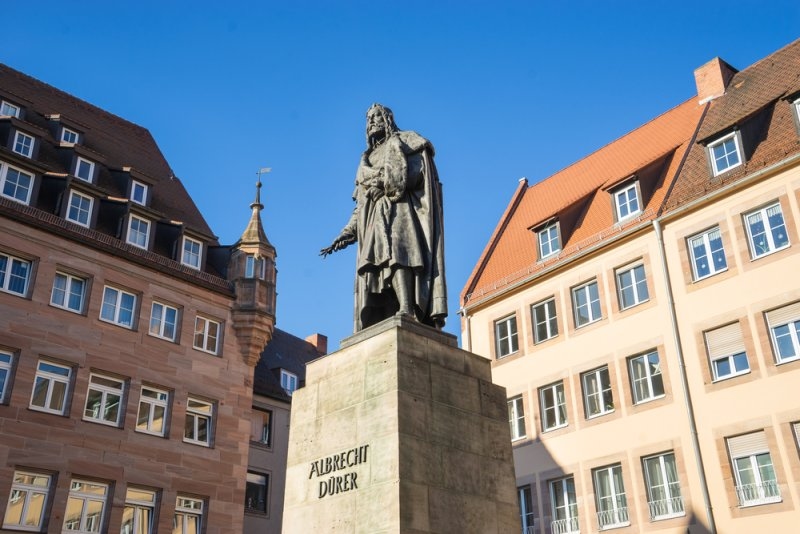
Watercolor goes back to Paleolithic pigment use, believe it or not, but it really found its footing during the Renaissance and later took off in 19th-century England and America. A few names come up again and again whenever people talk about famous watercolor artists.
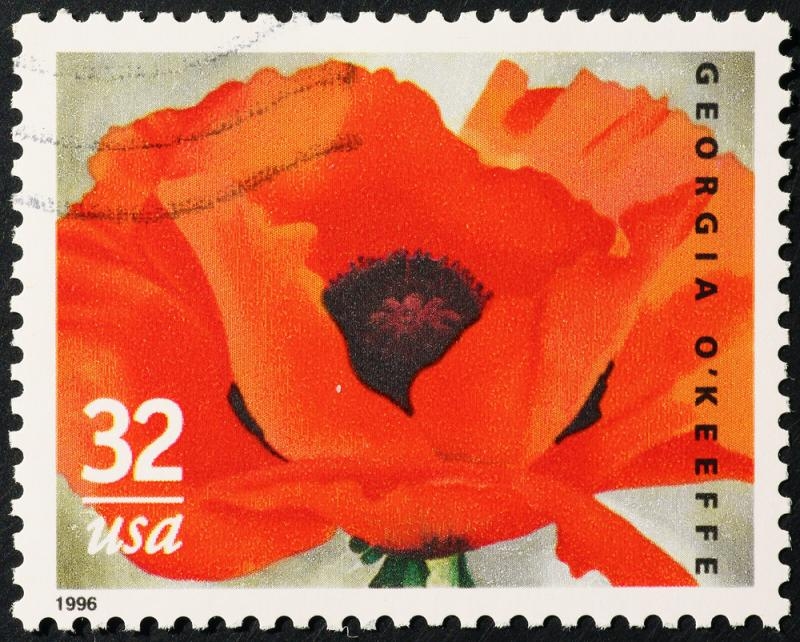
Some artists made their name by bending watercolor's rules instead of following them politely.
These artists prove something worth remembering: being one of the best watercolor painters isn't about having one signature style. It's about learning to live with the medium's contradictions instead of fighting them.
A handful of individual paintings did more for watercolor's reputation than entire careers put together.
These famous watercolor paintings stand right alongside other iconic works that shaped art history more broadly, something covered in more detail in this rundown of the most famous paintings in the world.
Watercolor didn't just stop evolving once the 20th century wrapped up. Today's contemporary watercolor artists are stretching the medium in directions earlier generations probably never imagined, blending it with digital tools and hyperrealistic detail.
Many modern painters use watercolor to explore themes that older artists rarely touched on: urban life, raw emotion, and identity. And social media has given today's watercolorists a much bigger audience than anyone working a century ago ever had access to.
It's worth mentioning, too, that many of today's most talked-about painters, across every medium, including watercolor, are women reshaping who gets recognized in the art world. That shift gets more attention in this look at rising female artists making an impact in 2025.
Honestly, it comes down to light. Oil paint sits on top of the canvas and bounces light off its own surface. Watercolor pigment soaks into the paper, so light actually passes through it and reflects back off the white paper underneath. That's the glow people talk about, and no other medium quite replicates it.
That same glow is also exactly why mistakes are so hard to fix. There's no opaque layer to hide behind. The white of the paper is doing half the work, whether you like it or not.
The artists who really mastered watercolor didn't just learn a technique; they learned to coexist with a medium that resists full control. From Durer's careful studies to Turner's obsession with light to today's contemporary experimenters, watercolor tends to reward patience over perfection, almost every single time. And honestly, that's usually what separates a good painting from one people remember decades later.
J.M.W. Turner is usually the name people point to as the most influential watercolor artist. He kind of pushed the medium beyond simple sketching, into atmospheric work that feels emotionally rich, and it’s still admired. studied across the world today.
Watercolor dries fast, so there’s almost no room to correct errors. It relies on transparent layering, and once something goes wrong, it can’t really be undone. Oil paint stays workable for hours, though, so artists can adjust, fix, and revise mistakes that watercolor simply doesn’t permit.
Yes, definitely. Georgia O'Keeffe and Elizabeth Murray both built strong reputations with watercolor, and plenty of contemporary female painters keep nudging the medium into new directions, from fresh abstract interpretations to realistic scenes.
Most professionals lean on cold-pressed cotton watercolor paper. It holds moisture more evenly, resists buckling, and gives pigment a texture that absorbs predictably rather than letting it spread and bleed everywhere, like it can on weaker sheets.
This content was created by AI